If you’re trying to improve the air quality in your home, you’ve probably come across two popular options: air purifiers and dehumidifiers.
But they do very different things and choosing the wrong one can waste money and fail to solve your problem.
So, which one do you actually need?
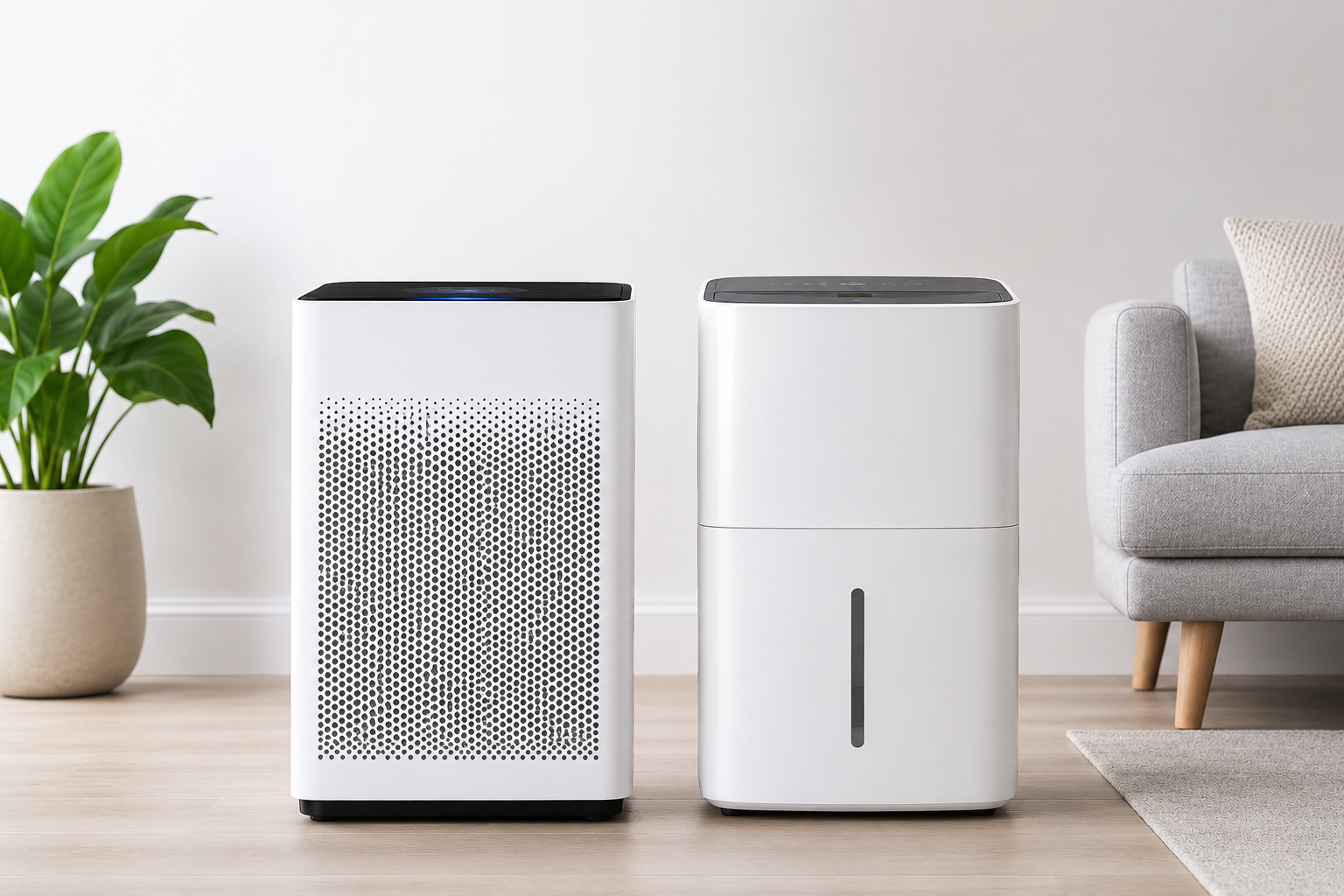
Quick Answer: Air Purifier vs Dehumidifier
-
Air Purifier: Cleans the air by removing pollutants, allergens, and particles
-
Dehumidifier: Reduces moisture levels in the air
If your issue is allergies, dust, or air quality → you need an air purifier
If your issue is damp, condensation, or mould → you need a dehumidifier
In many UK homes, the best solution is actually using both together.
What Does an Air Purifier Do?
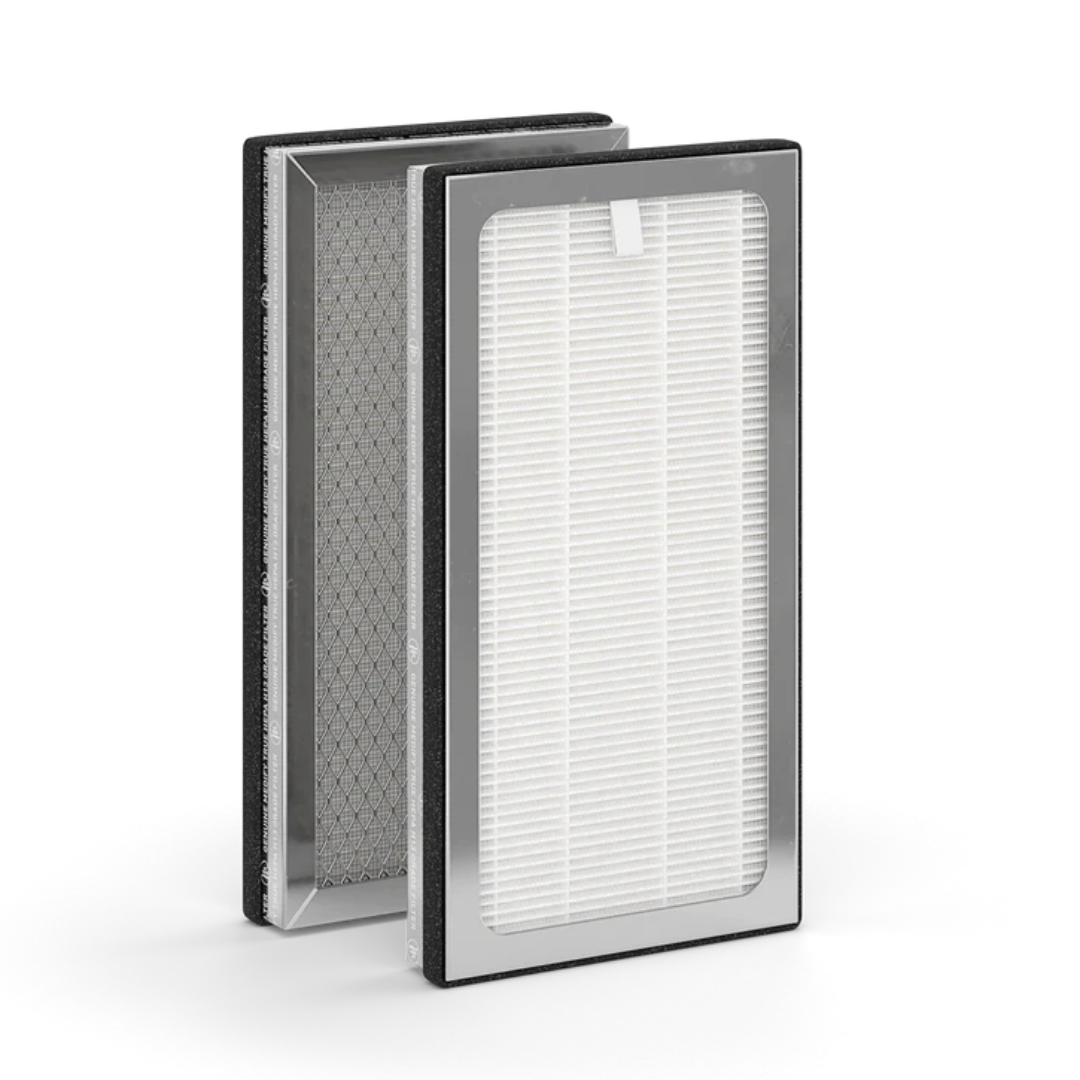
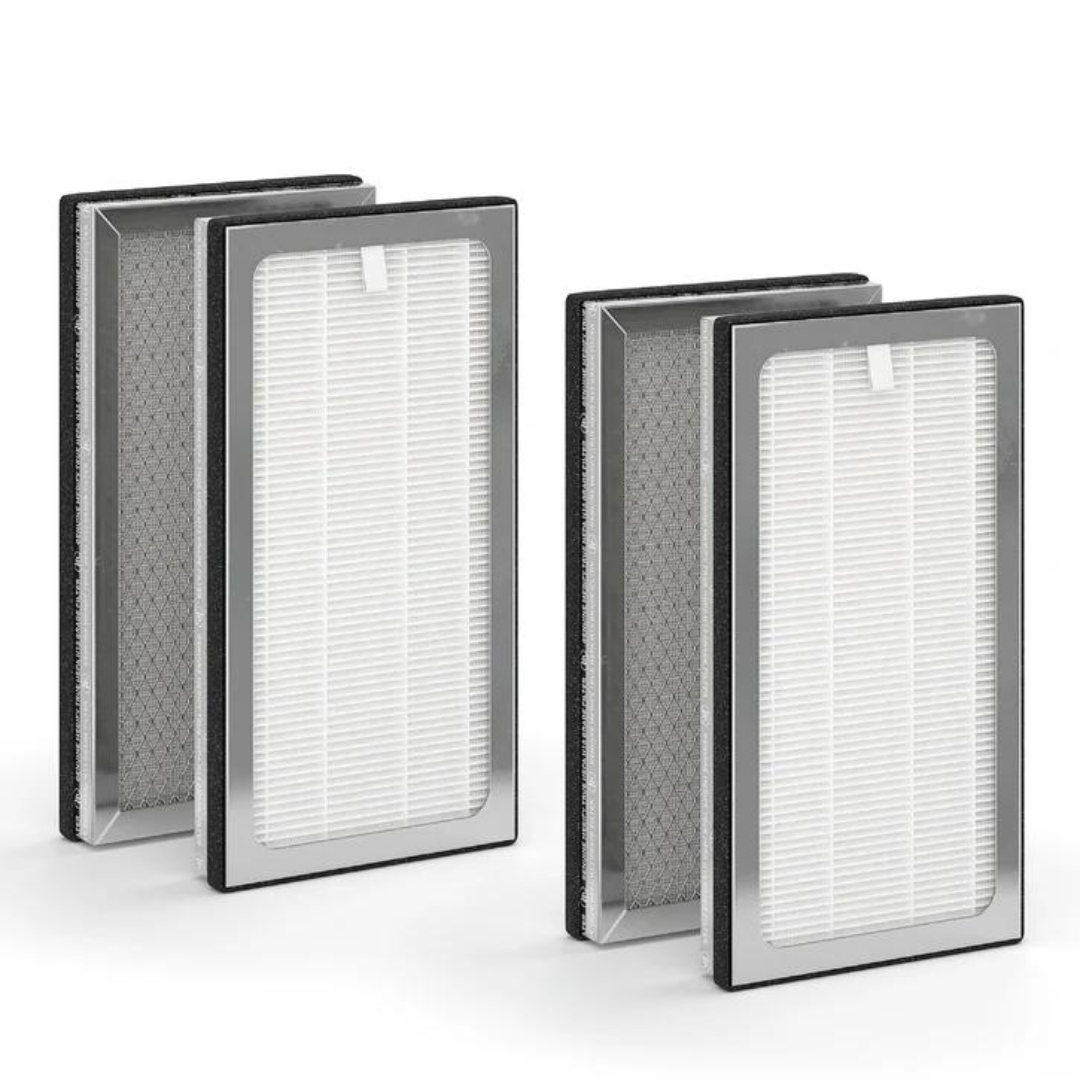
An air purifier works by pulling air through filters and removing harmful particles.
A high-quality unit (like the ones we stock) uses:
-
True HEPA filters → trap 99.97% of fine particles
-
Activated carbon filters → remove odours and chemicals
Removes:
-
Pollen (great for hay fever)
-
Dust and dust mites
-
Pet dander
-
Smoke and pollution
-
Mould spores (in the air)
This makes air purifiers ideal for allergy sufferers and improving indoor air quality.
What Does a Dehumidifier Do?
A dehumidifier removes excess moisture from the air.
Helps with:
-
Damp walls
-
Condensation on windows
-
Mould growth
-
Musty smells
It doesn’t clean the air — it changes the humidity level.
Key Differences: Air Purifier vs Dehumidifier
|
Feature |
Air Purifier |
Dehumidifier |
|
Removes dust & allergens |
✅ Yes |
❌ No |
|
Removes moisture |
❌ No |
✅ Yes |
|
Helps with mould |
⚠️ Airborne spores only |
✅ Stops growth |
|
Improves air quality |
✅ Yes |
⚠️ Indirectly |
|
Helps with allergies |
✅ Yes |
❌ No |
Which One Do You Need?
Choose an Air Purifier if you have:
-
Hay fever or pollen allergies
-
Dust sensitivity
-
Pets (dander & smells)
-
Poor indoor air quality
-
Urban pollution exposure
Best solution: A HEPA air purifier
Choose a Dehumidifier if you have:
-
Damp or condensation
-
Visible mould on walls or ceilings
-
High humidity (above ~60%)
-
Musty smells
Best solution: A dehumidifier (or combined approach)
Can You Use Both Together?
Yes and in many UK homes, you should.
Here’s why:
-
Dehumidifier: stops mould growing
-
Air purifier: removes airborne mould spores
Together, they create a healthier indoor environment.
Best Setup for UK Homes
If you want optimal air quality:
-
Use an air purifier in your bedroom (for breathing & sleep)
-
Use a dehumidifier in damp areas (bathroom, kitchen, corners)
Common Mistakes to Avoid
-
Buying a dehumidifier for allergies (it won’t help much)
-
Expecting an air purifier to fix damp issues
-
Using only one when you actually need both
-
Choosing the wrong size unit
Real-Life Examples
Scenario 1: Hay Fever Sufferer
👉 You need: Air purifier
→ Removes pollen from indoor air
Scenario 2: Condensation on Windows
👉 You need: Dehumidifier
→ Reduces moisture levels
Scenario 3: Mould + Allergies
👉 You need: Both
→ Dehumidifier stops growth
→ Air purifier removes spores
Are Air Purifiers Worth It Compared to Dehumidifiers?
They solve different problems — so it’s not about “better,” it’s about fit.
But if your main concern is:
-
Breathing
-
Allergies
-
Air cleanliness
👉 An air purifier is usually the better first investment.
Final Verdict: Air Purifier vs Dehumidifier
-
Choose an air purifier for cleaner, healthier air
-
Choose a dehumidifier for moisture and damp control
-
Use both together for the best results
👉 For most people in the UK, an air purifier is the best starting point.
Improve Your Air Quality Today
If you’re dealing with allergies, dust, or poor air quality, explore our range of high-performance air purifiers designed for UK homes.