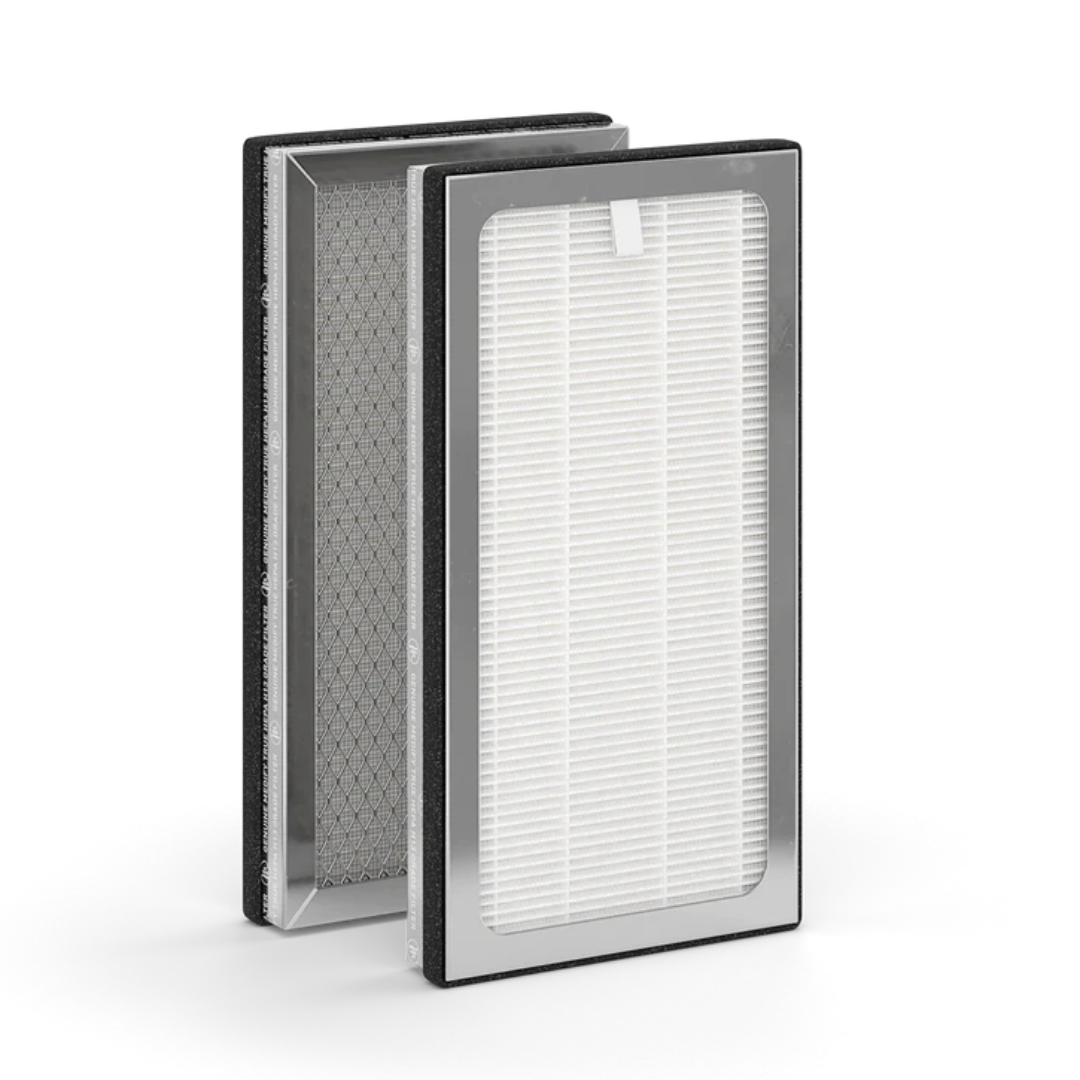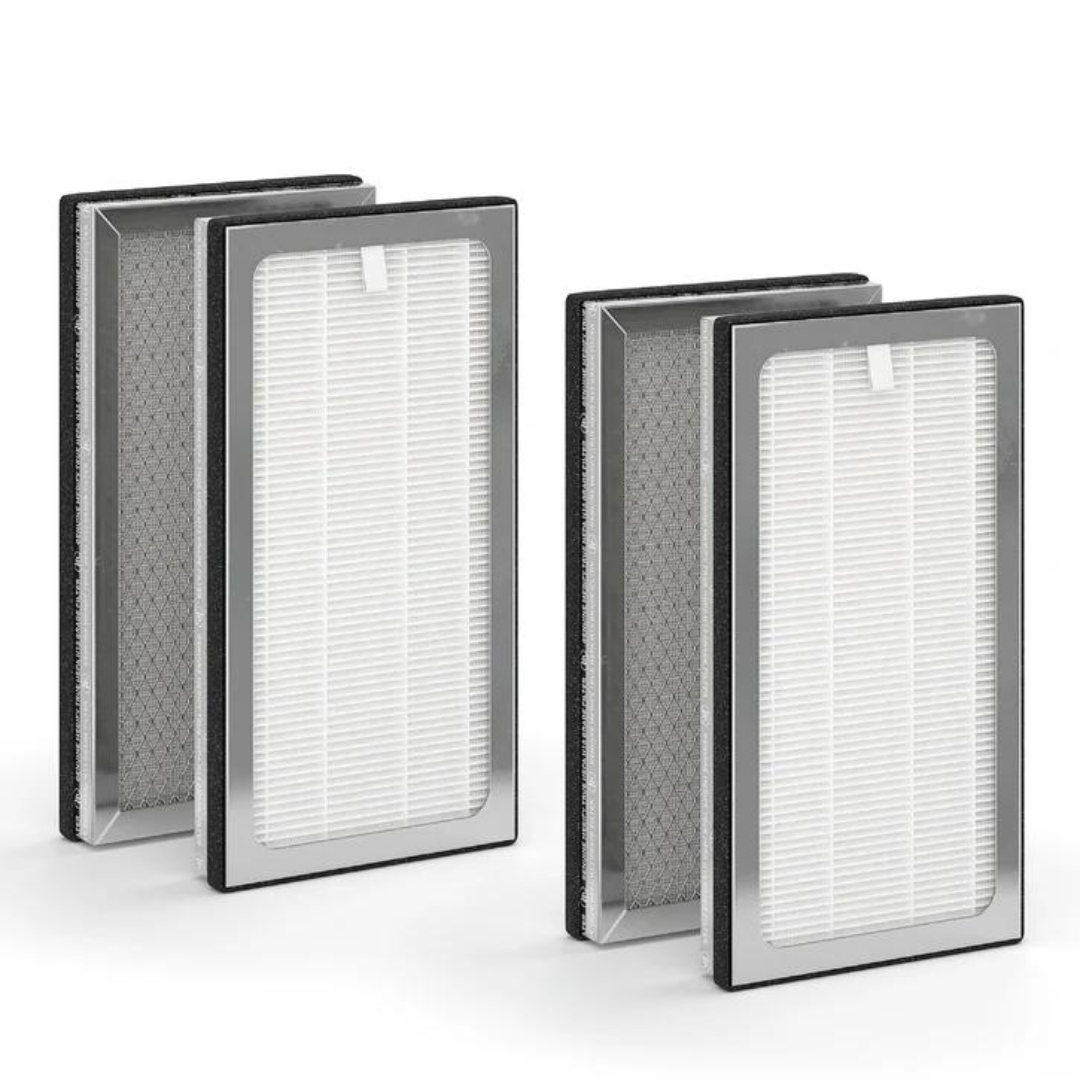
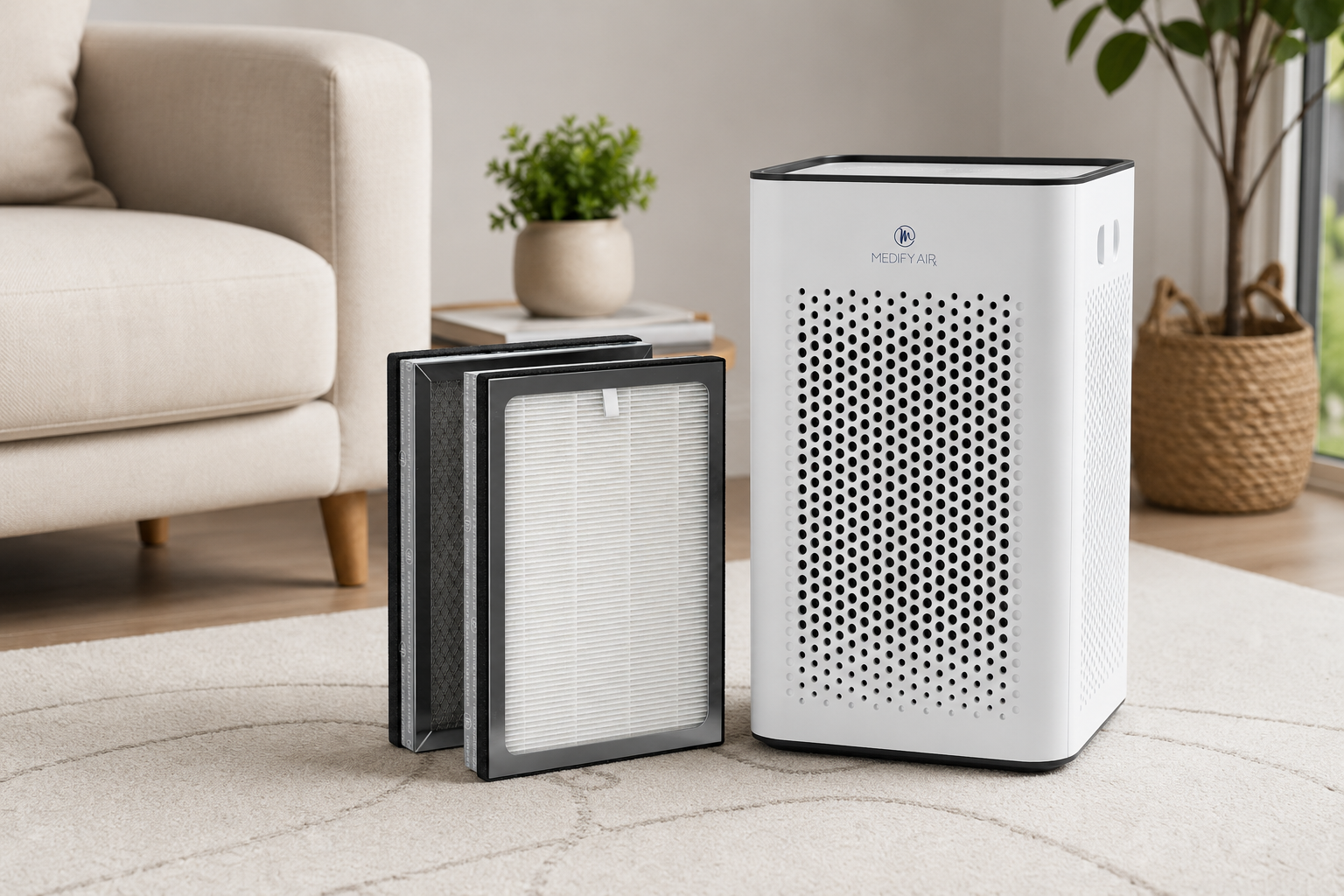
Your air purifier works hard every day, quietly removing dust, pollen, pet dander, smoke particles and other airborne pollutants from your home. However, even the best air purifier can only perform effectively if its filters are properly maintained.
One of the most common questions homeowners ask is: How often should I replace my air purifier filter?
The answer depends on several factors, including the type of filter, how often you use the purifier and the air quality inside your home.
Why Filters Need Replacing
Air purifier filters trap microscopic particles from the air. Over time, these particles build up, reducing airflow and making the purifier work harder.
A clogged filter may:
-
Reduce cleaning efficiency
-
Increase energy consumption
-
Produce unpleasant odours
-
Shorten the lifespan of your purifier
Replacing filters on time helps ensure your purifier continues removing airborne contaminants effectively.
Typical Filter Lifespans
HEPA Filters
HEPA filters usually last between 6 and 12 months in most UK homes.
If your home has pets, smokers or allergy sufferers, replacement may be needed sooner.
Activated Carbon Filters
Carbon filters absorb:
-
Cooking smells
-
Smoke
-
VOCs (Volatile Organic Compounds)
-
Household odours
These generally require replacing every 3–6 months, depending on use.
Pre-Filters
Many models include washable pre-filters that capture larger dust particles and pet hair.
Cleaning these every 2–4 weeks can significantly extend the life of your main filter.
Signs Your Filter Needs Changing
Even if your purifier doesn't have a filter indicator, watch for these signs:
-
Reduced airflow
-
More dust around your home
-
Persistent odours
-
Increased allergy symptoms
-
Visible dirt on the filter
-
Louder fan operation
If you notice any of these, it may be time for a replacement.
Factors That Affect Filter Life
Several environmental factors can shorten filter lifespan.
Pets
Pet hair and dander quickly clog filters.
Smoking
Smoke particles place a heavy load on both HEPA and carbon filters.
Urban Living
Homes near busy roads often experience higher levels of fine particulate pollution.
Seasonal Allergies
During spring and summer, pollen can accumulate rapidly.
Can You Wash a HEPA Filter?
In most cases, no.
True HEPA filters should not be washed unless the manufacturer specifically states they are washable. Washing a standard HEPA filter can damage the delicate fibres that capture microscopic particles.
Tips to Extend Filter Life
You can maximise filter lifespan by:
-
Vacuuming regularly
-
Cleaning the pre-filter
-
Keeping doors and windows closed during high pollen days
-
Running the purifier continuously on Auto Mode
-
Replacing filters with genuine manufacturer-approved replacements
Final Thoughts
Replacing your air purifier filter at the recommended intervals ensures your purifier continues delivering cleaner, healthier air throughout your home.
Regular maintenance not only improves performance but can also extend the life of your investment.