The Appeal of Houseplants
Indoor plants are popular for good reason. They add colour, improve mood and can make a space feel more relaxing and alive.
You may also have heard claims that plants can remove toxins from the air. This idea became widely known after a NASA study explored how plants absorb certain chemicals in controlled environments.
But does that mean a few houseplants can replace an air purifier? Not quite.
What Houseplants Can and Can’t Do
Plants do absorb carbon dioxide and release oxygen through photosynthesis. Some species can also absorb small amounts of airborne chemicals through their leaves and roots.
However, the effect in a normal home is extremely limited.
Real-world indoor spaces are much larger and have far more airflow than laboratory test chambers. To achieve a meaningful reduction in pollutants, you would need an impractically large number of plants.
Research suggests that while plants may contribute slightly to air quality, they are not effective as a primary air-cleaning solution for modern homes.
What Air Purifiers Do Better
Air purifiers are specifically designed to remove airborne contaminants from indoor air.
A quality purifier can continuously filter the air in a room and remove:
-
Fine particles (PM2.5)
-
Dust
-
Pollen
-
Pet dander
-
Mould spores
-
Smoke particles
-
Some odours and VOCs (with activated carbon filters)
Unlike plants, air purifiers actively move air through filters, allowing them to clean large volumes of air efficiently and repeatedly.
A Side-by-Side Comparison
|
Feature |
Houseplants |
Air Purifiers |
|
Removes dust and pollen |
No |
Yes |
|
Reduces PM2.5 particles |
Minimal effect |
Yes |
|
Helps with allergies |
Usually not |
Yes |
|
Reduces odours |
Slightly |
Yes (with carbon filter) |
|
Improves room aesthetics |
Yes |
Varies by design |
|
Requires regular maintenance |
Watering, pruning, soil care |
Filter replacement and cleaning |
|
Scientifically proven air-cleaning performance |
Limited evidence in homes |
Strong evidence |
The Best Approach? Use Both
This doesn’t mean houseplants are pointless. They can still make your home feel fresher and more pleasant, and many people find them beneficial for wellbeing and décor.
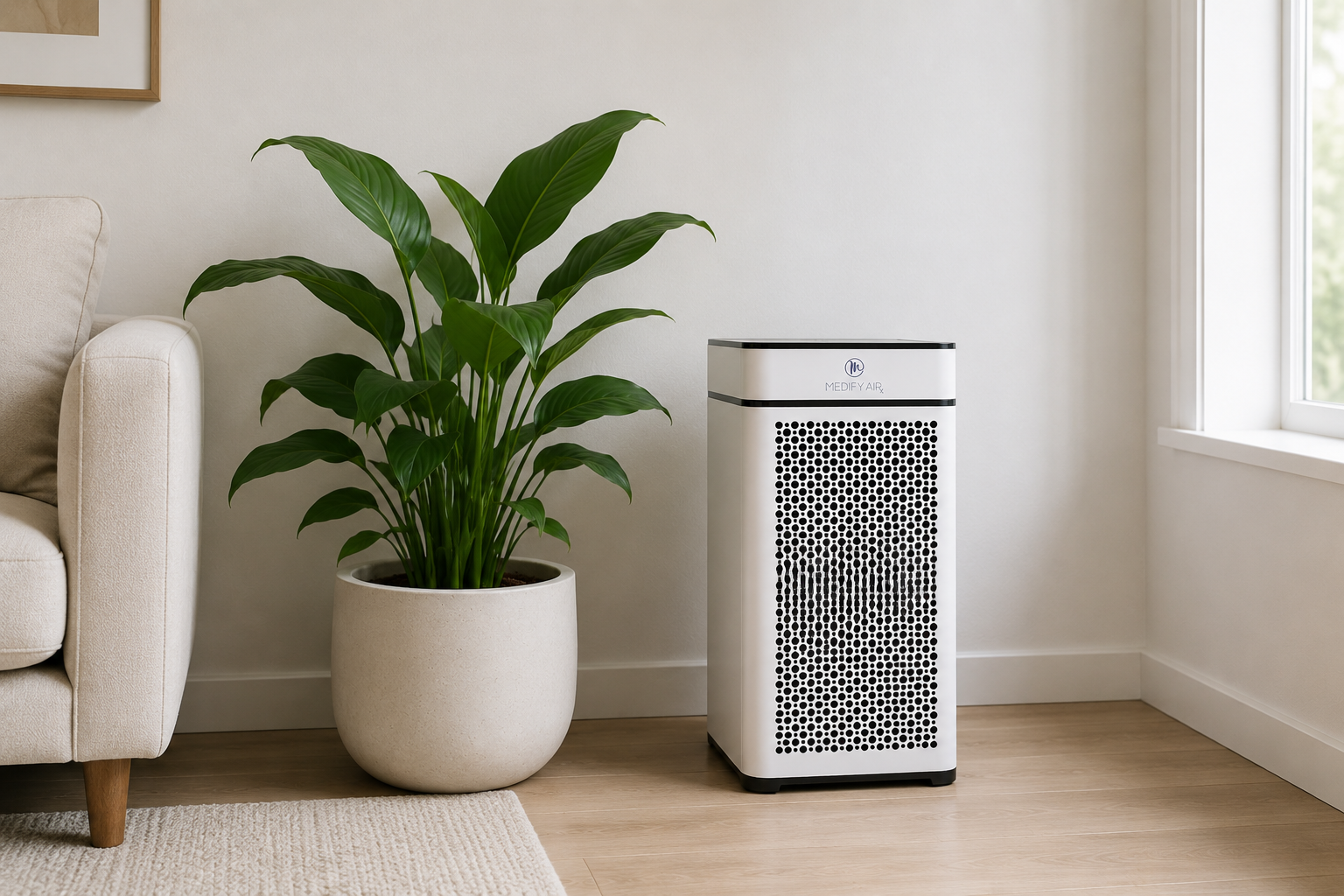
But if your goal is genuinely cleaner indoor air, especially for allergies, asthma, smoke or urban pollution, an air purifier is the far more effective tool.
The ideal setup is often a combination of both:
-
Use an air purifier for active filtration and pollutant removal.
-
Add houseplants for aesthetics, comfort and a small complementary benefit.
Final Thoughts
Houseplants are a lovely addition to any home, but they are not a substitute for an air purifier when it comes to serious indoor air cleaning.
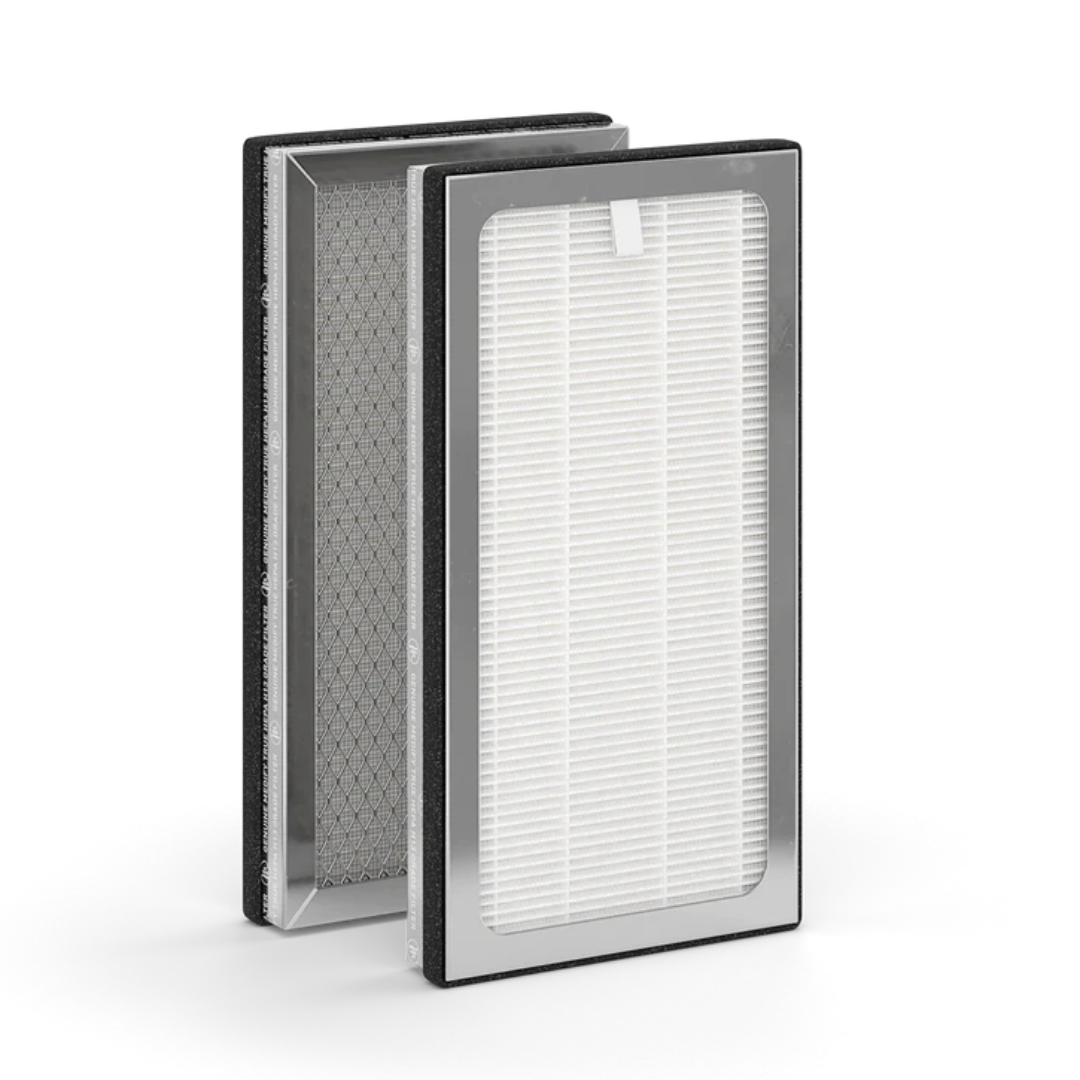
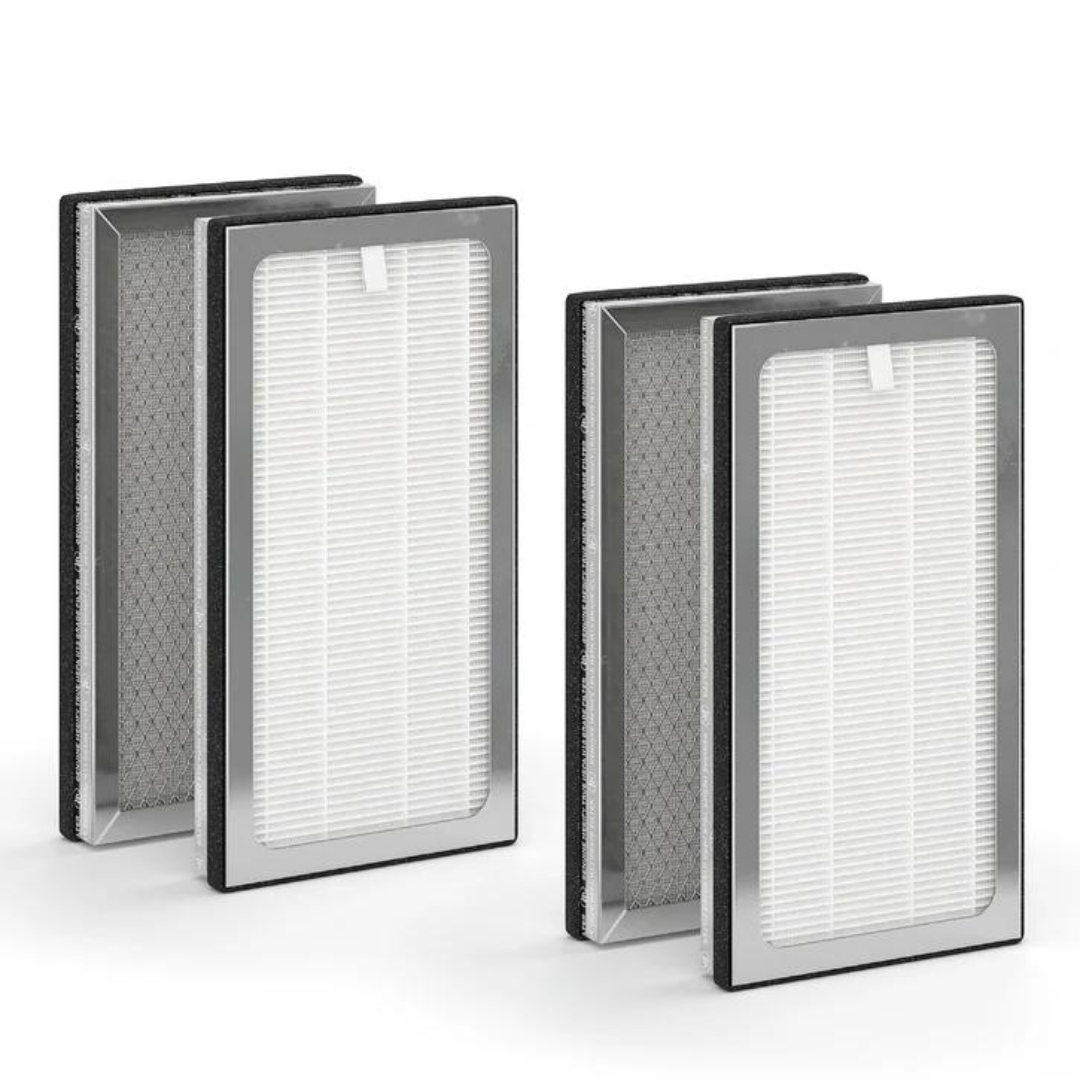
For measurable improvements in air quality, a properly sized air purifier with HEPA and activated carbon filtration remains the most effective solution.