When people think about air pollution, they usually picture busy roads, industrial sites or smog-filled city centres.
Few realise that one of the biggest sources of indoor air pollution may be located just a few feet away: the kitchen. Everyday cooking activities can release significant amounts of airborne particles, gases and odours that affect indoor air quality.
What Is Cooking Pollution?
Cooking pollution refers to airborne contaminants generated during food preparation.
These include:
-
Fine particulate matter (PM2.5)
-
Smoke
-
Grease particles
-
Nitrogen dioxide
-
Volatile Organic Compounds (VOCs)
The amount produced depends on cooking methods, ingredients and appliances.
High-Risk Cooking Methods
Some cooking techniques generate far more airborne pollution than others.
These include:
Frying
Frying oils release fine particles and aerosols into the air.
Grilling
High temperatures can produce smoke and combustion by-products.
Charring Food
Burnt food creates additional particulate pollution.
Gas Cooking
Gas hobs release nitrogen dioxide and other combustion-related pollutants.
Why PM2.5 Matters
PM2.5 particles are extremely small and can remain airborne for extended periods. Because they are so tiny, they can be inhaled deeply into the lungs.
Cooking activities can cause PM2.5 levels indoors to rise dramatically, especially in poorly ventilated kitchens.
Signs Your Kitchen Air Quality May Be Poor
Common indicators include:
-
Lingering cooking smells
-
Visible smoke
-
Condensation on windows
-
Eye irritation during cooking
-
Grease build-up on surfaces
How to Reduce Cooking Pollution
Use Extractor Fans
Switch extractor fans on before cooking begins and leave them running afterwards.
Open Windows
Ventilation remains one of the simplest ways to improve air quality.
Avoid Excessively High Temperatures
Lower cooking temperatures generally produce fewer airborne pollutants.
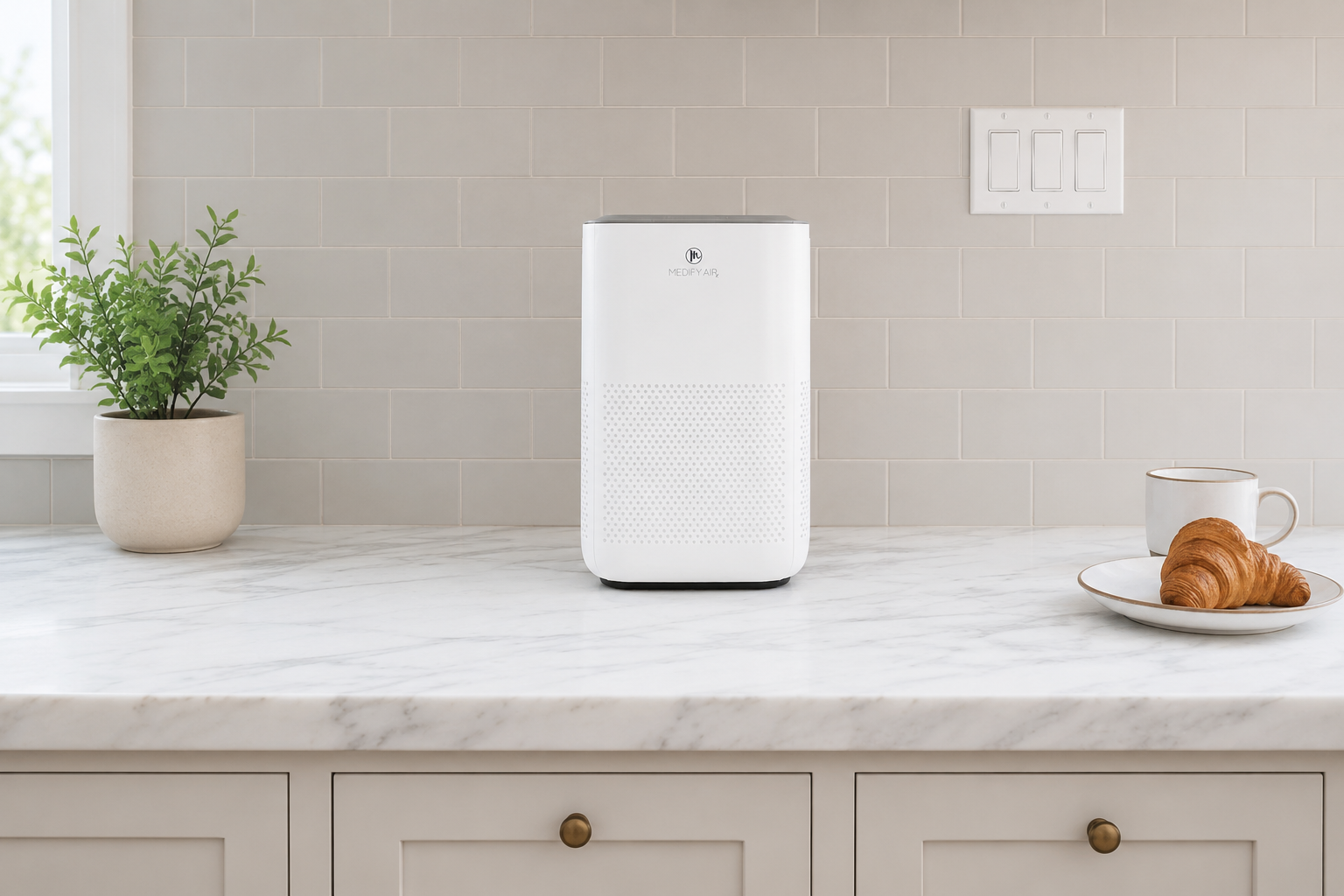
Use an Air Purifier Nearby
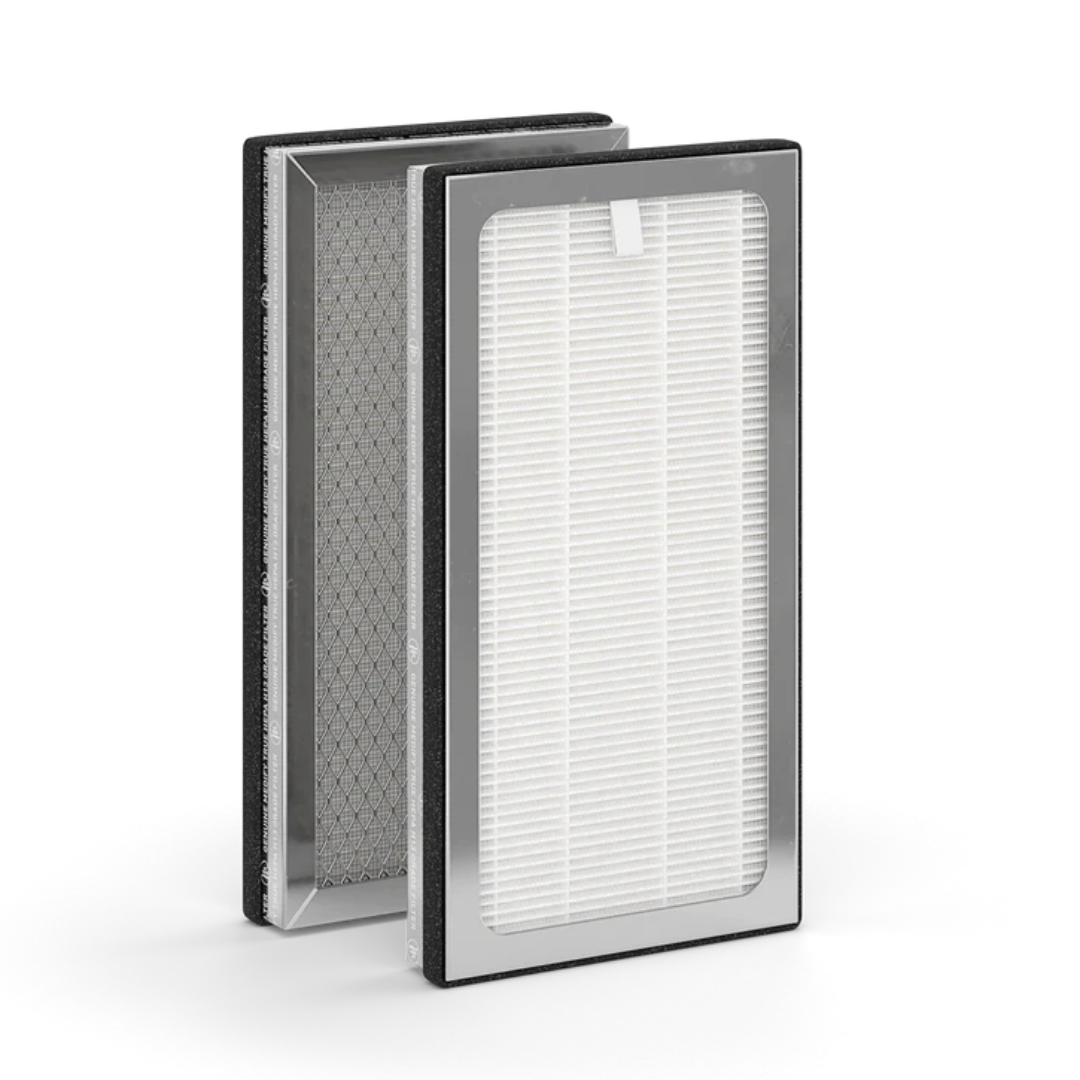
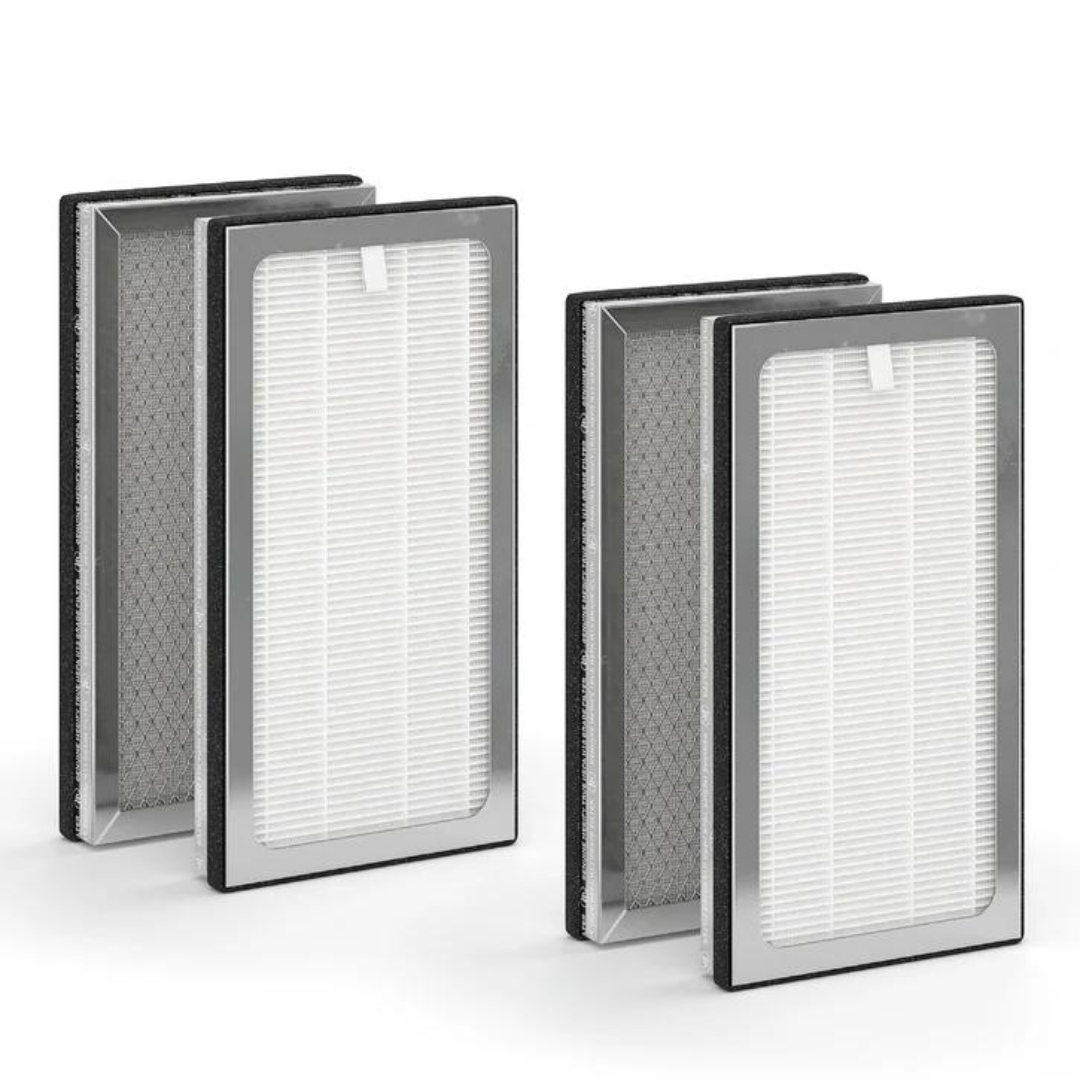
Air purifiers equipped with HEPA and activated carbon filters can help reduce cooking-related particles and odours.
Clean Regularly
Grease and residue can continue contributing to indoor air quality problems if left unchecked.
Final Thoughts
Cooking is an unavoidable part of daily life, but poor kitchen air quality doesn't have to be.
With proper ventilation, smart cooking habits and effective air filtration, homeowners can significantly reduce indoor pollution and enjoy a healthier home environment.