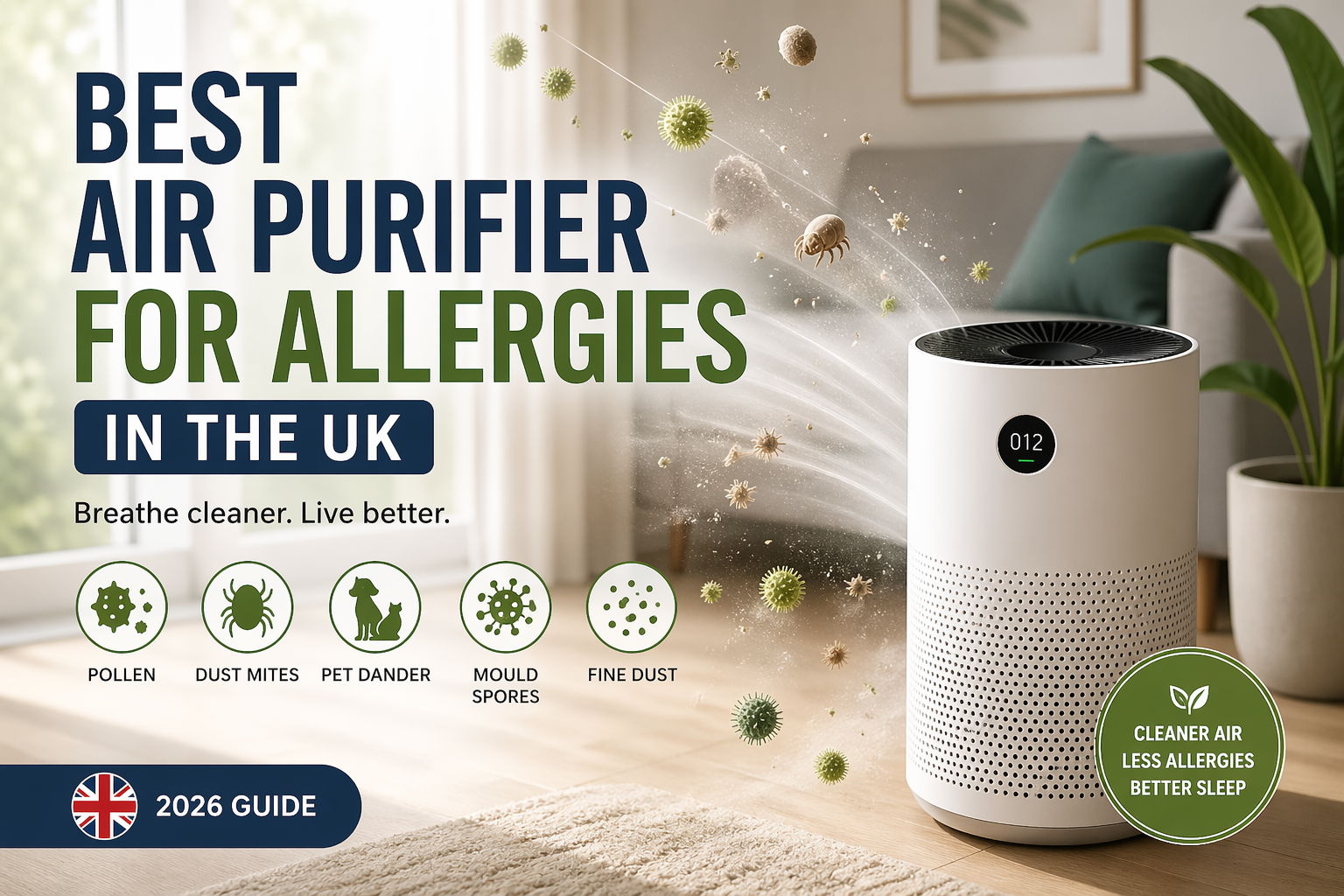
Allergies are becoming increasingly common in the UK, with millions of people suffering from hay fever, dust allergies, and pet-related reactions. If you’re constantly dealing with sneezing, itchy eyes, or poor sleep, improving your indoor air quality can make a significant difference.
In this guide, we’ll break down the best air purifiers for allergies in the UK in 2026, what features actually matter, and how to choose the right one for your home.
Do Air Purifiers Help with Allergies?
Yes a high-quality air purifier can significantly reduce allergy symptoms.
Air purifiers work by removing airborne allergens such as:
-
Pollen (a major trigger during UK spring/summer)
-
Dust mites and fine dust particles
-
Pet dander
-
Mould spores
-
Smoke and pollutants
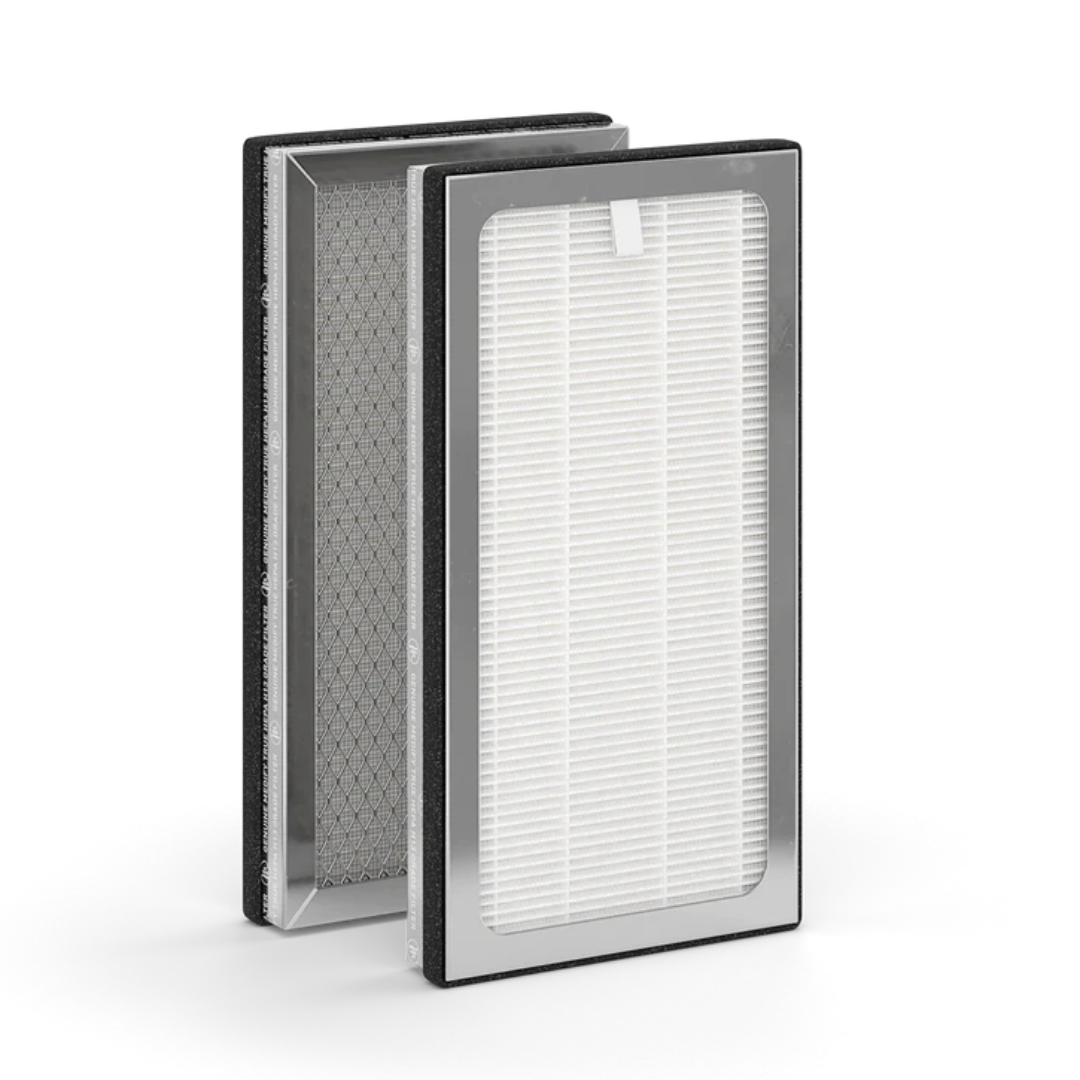
The key is choosing a purifier with a true HEPA filter, which can capture up to 99.97% of particles as small as 0.3 microns.
👉 If you suffer from hay fever or indoor allergies, this can mean:
-
Fewer symptoms at home
-
Better sleep quality
-
Reduced reliance on medication
What to Look for in an Air Purifier for Allergies
Before buying, focus on these essential features:
1. True HEPA Filter (Non-negotiable)
This is the most important feature. Avoid anything labeled just “HEPA-type.”
2. Activated Carbon Filter
Helps remove:
-
Odours
-
VOCs (chemicals from cleaning products, furniture, etc.)
3. CADR Rating (Clean Air Delivery Rate)
Indicates how quickly the purifier cleans the air. Higher = better for allergies.
4. Room Size Coverage
Make sure the purifier matches your room size. Undersized units won’t be effective.
5. Quiet Operation (Especially for Bedrooms)
Look for models under ~30–40 dB on low settings.
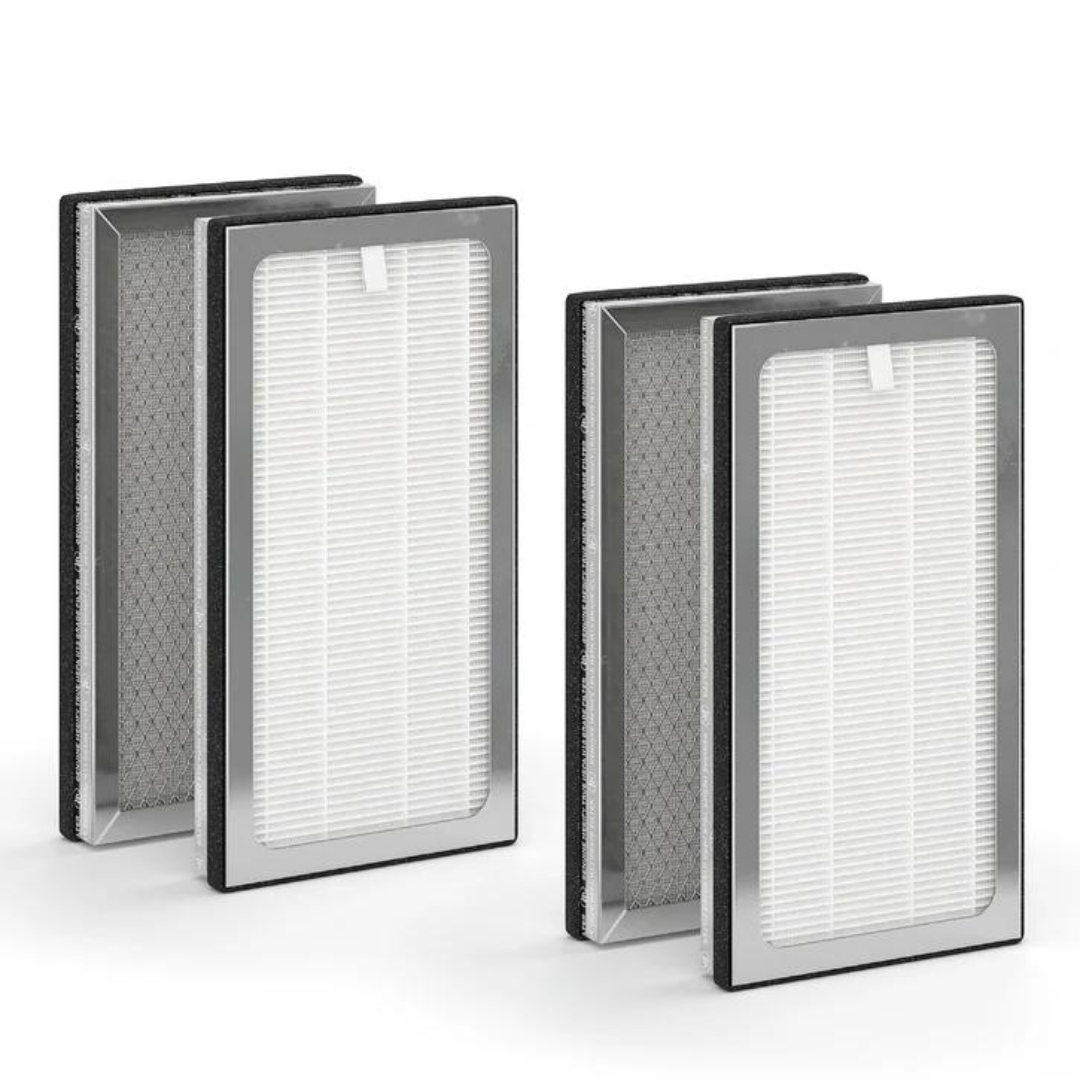
6. Filter Replacement Cost
Often overlooked, ongoing costs matter. That’s why we sell heavily discounted prices of filters.
Best Air Purifiers for Allergies in the UK
Best Overall: HEPA Air Purifier for Allergies
Best for: Most homes, balanced performance
-
True HEPA filtration
-
Strong CADR rating
-
Covers medium to large rooms
-
Quiet sleep mode
👉 Ideal if you want a reliable, all-round solution for hay fever, dust, and pet allergies.
Best for Bedrooms (Quiet & Compact)
Best for: Night-time allergy relief
-
Ultra-quiet operation
-
Compact design
-
Energy-efficient
👉 Perfect if allergies affect your sleep or worsen at night.
Best for Large Rooms & Open Spaces
Best for: Living rooms, open-plan homes
-
High CADR rating
-
Covers large areas efficiently
-
Strong airflow
👉 Recommended if you need whole-room purification quickly.
Best Budget Air Purifier for Allergies
Best for: Affordable allergy relief
-
HEPA filter included
-
Good performance for small rooms
-
Lower upfront cost
👉 Great entry-level option for bedrooms or small flats.
Best for Pet Allergies
Best for: Homes with cats or dogs
-
Strong particle filtration
-
Carbon filter for pet odours
-
Handles dander effectively
👉 Ideal if you’re allergic to pets but don’t want to give them up.
Air Purifier vs Allergy Medication
Air purifiers don’t replace medication, but they can reduce your exposure to triggers, which may:
-
Lower symptom severity
-
Reduce frequency of flare-ups
-
Improve overall comfort indoors
Think of it as preventative support rather than a cure.
Where to Place an Air Purifier for Allergies
Placement matters more than most people think.
For best results:
-
Place it in the room you spend the most time in (usually bedroom or living room)
-
Keep it at least 20–30 cm away from walls
-
Avoid blocking airflow
-
Run it continuously during allergy season
👉 Pro tip: Bedrooms are the #1 priority for allergy sufferers.
How Many Air Purifiers Do You Need?
This depends on your home size:
-
Small flat: 1 unit may be enough
-
Medium home: 2–3 units
-
Large home: One per key room
👉 If allergies are severe, it’s better to have multiple smaller units than one large one.
Running Costs in the UK
Typical yearly costs include:
-
Electricity: ~£20–£60/year
-
Filters: ~£20–£100/year
👉 Total: Around £50–£150 per year, depending on usage and model.
Common Mistakes to Avoid
-
Buying a purifier that’s too small for your room
-
Ignoring filter replacement costs
-
Choosing “HEPA-style” instead of true HEPA
-
Only running it occasionally
Consistency is key, air purifiers work best when used continuously.
Final Verdict: Are Air Purifiers Worth It for Allergies?
If you suffer from allergies in the UK, an air purifier is one of the most effective home upgrades you can make.
It won’t eliminate allergies completely, but it can:
-
Reduce airborne triggers
-
Improve indoor air quality
-
Help you breathe easier every day