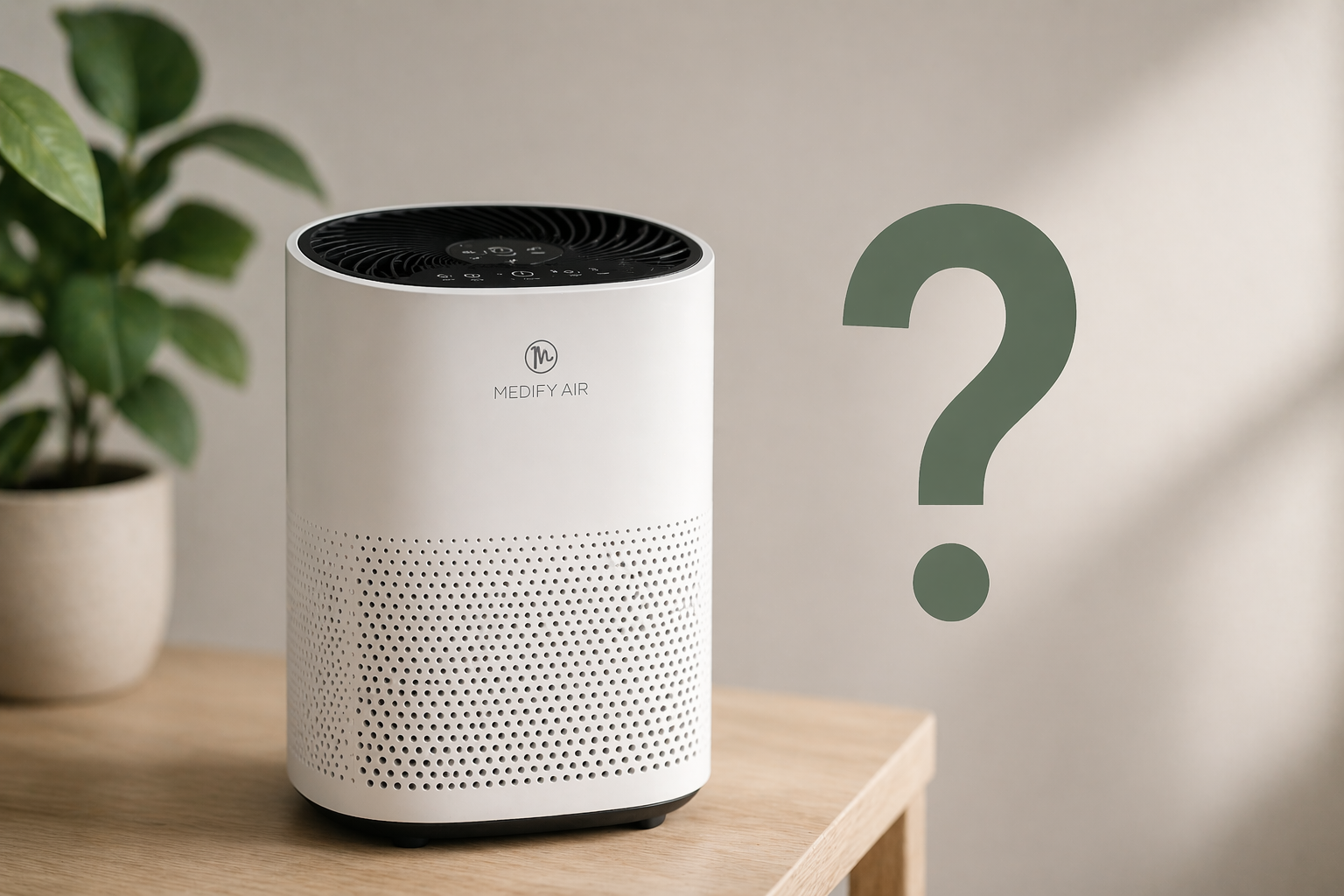
If you’re thinking about buying an air purifier, you’ve probably asked yourself: do air purifiers actually work, or are they just hype?
The short answer is yes, air purifiers do work, but only if you choose the right type and use it correctly.
In this guide, we’ll break down the science, what air purifiers can and can’t do, and whether they’re worth it for your home in the UK.
Do Air Purifiers Really Work?
Yes, air purifiers are proven to reduce airborne pollutants and allergens.
A high-quality air purifier with a true HEPA filter can remove up to 99.97% of particles as small as 0.3 microns, including:
-
Dust and fine particles
-
Pollen (a major UK allergy trigger)
-
Pet dander
-
Mould spores
-
Smoke particles
👉 This means cleaner air and fewer irritants circulating in your home.
How Do Air Purifiers Work?
Air purifiers continuously pull air through a filtration system and trap harmful particles.
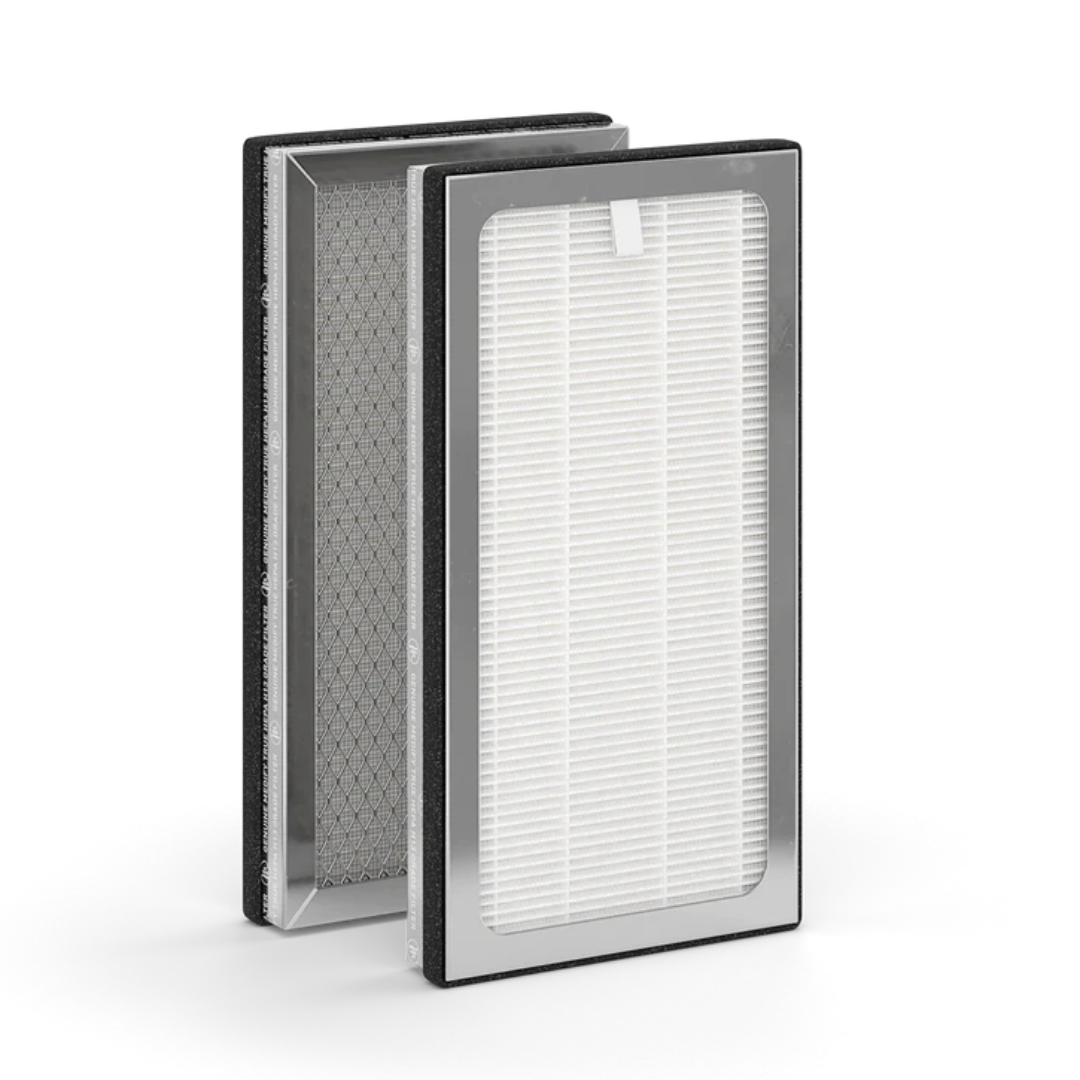
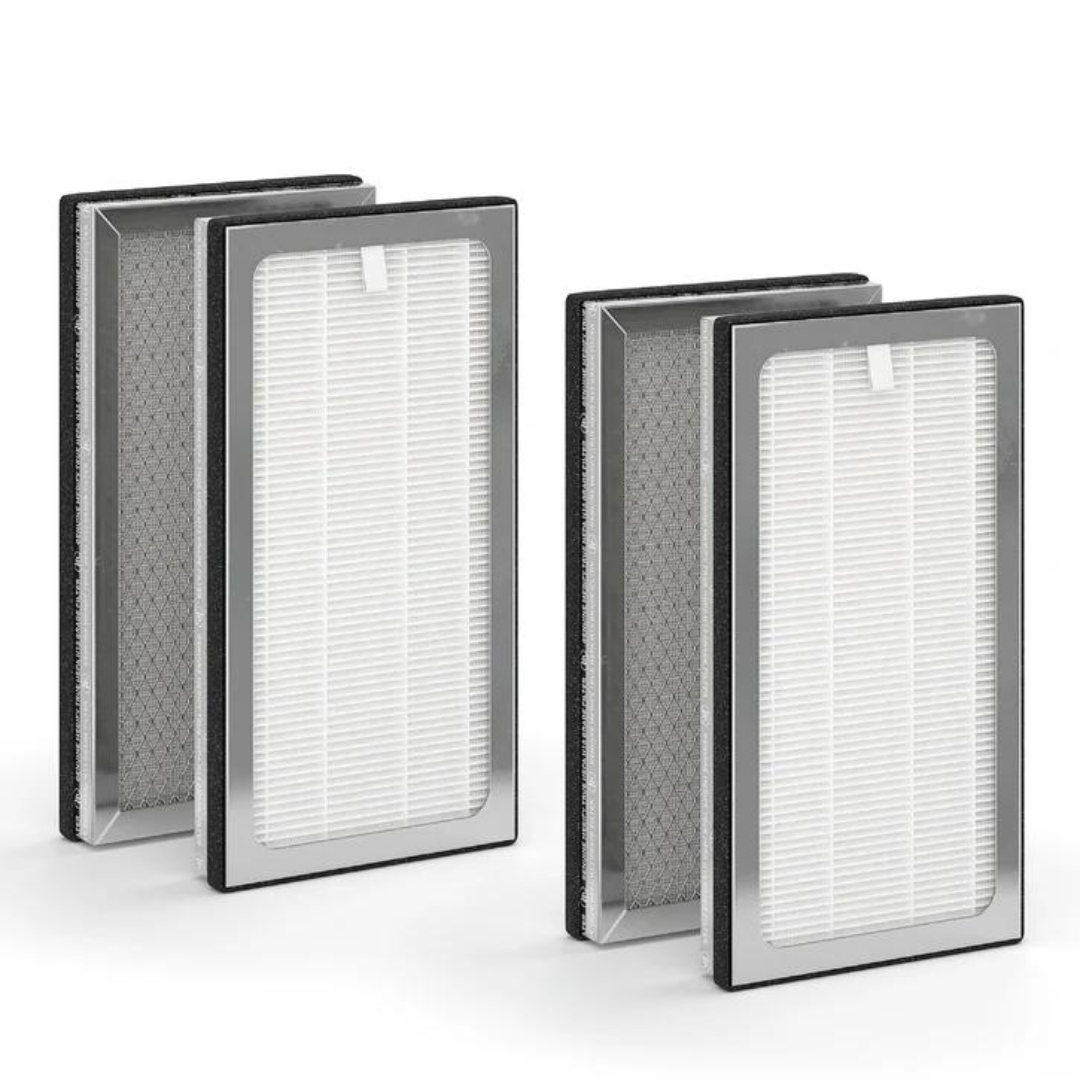
Most effective models use a 3-stage system:
1. Pre-Filter
Captures larger particles like dust and hair.
2. HEPA Filter
Removes tiny airborne particles (the main allergy triggers).
3. Activated Carbon Filter
Absorbs:
-
Odours
-
Smoke
-
Chemicals (VOCs)
👉 The cleaner air is then released back into the room, creating a continuous purification cycle.
What Air Purifiers Are Good At
Air purifiers are highly effective at removing:
Allergens
-
Pollen
-
Dust mites
-
Pet dander
Air Pollution
-
Fine particulate matter (PM2.5)
-
Smoke (including cooking and candles)
Indoor Irritants
-
Mould spores
-
Some bacteria and airborne particles
👉 This is why many people notice:
-
Reduced allergy symptoms
-
Better sleep
-
Less dust buildup
What Air Purifiers Can’t Do
It’s just as important to understand their limits.
They don’t remove everything
-
Gases require carbon filters (and even then, not all are removed fully)
They don’t replace cleaning
-
Dust still settles on surfaces
-
You still need to vacuum and clean regularly
They don’t cure allergies or asthma
-
They reduce triggers, not eliminate conditions
Do Air Purifiers Work for Allergies?
Yes this is where they perform best.
By removing airborne allergens, air purifiers can:
-
Reduce sneezing and congestion
-
Improve breathing indoors
-
Help with hay fever symptoms
-
Reduce pet allergy reactions
👉 For best results, use a HEPA air purifier in your bedroom, where you spend the most time.
Do Air Purifiers Work for Dust?
Yes but with a caveat.
They remove airborne dust, not dust that has already settled.
👉 This means:
-
Less dust circulating
-
Slower dust buildup
-
Cleaner air overall
But you’ll still need to clean surfaces.
Do Air Purifiers Work for Mould?
Partially.
Air purifiers can:
-
Capture airborne mould spores
But they don’t fix the root problem, such as damp or humidity.
👉 For mould issues, combine:
-
Air purifier
-
Dehumidifier
-
Proper ventilation
Do Air Purifiers Work for Pet Hair & Smells?
Pet Hair:
-
Larger hair is caught by the pre-filter
-
Smaller dander is captured by HEPA
Pet Smells:
-
Carbon filters help reduce odours
👉 If you have pets, choose a model with strong filtration + carbon layer.
When Air Purifiers Don’t Work Well
They can feel ineffective if:
-
The unit is too small for the room
-
Filters aren’t replaced regularly
-
It’s only used occasionally
-
Airflow is blocked
👉 Consistent use is key, they should run daily, especially during allergy season.
Are Air Purifiers Worth It in the UK?
For most homes yes, they’re worth it.
They’re especially useful if you:
-
Suffer from hay fever or allergies
-
Live in a city with pollution
-
Have pets
-
Notice dust buildup
-
Want better indoor air quality
👉 In the UK, where homes are often sealed in winter, indoor air can actually be more polluted than outdoor air.
How Long Does It Take to Work?
You may notice improvements:
-
Within a few hours (air freshness)
-
Within a few days (allergy relief)
-
Within weeks (overall air quality improvement)
👉 Results depend on room size, purifier quality, and usage.
Final Verdict: Do Air Purifiers Actually Work?
Yes air purifiers absolutely work, but only when used correctly.
They are most effective for:
-
Allergies
-
Dust and particles
-
Pet dander
-
General air quality improvement
They are less effective for:
-
Structural issues (like damp or mould growth)
-
Large-scale ventilation problems
👉 Think of them as a powerful support tool for cleaner indoor air not a complete solution.
Ready to Breathe Cleaner Air?
Explore our range of high-performance air purifiers filters designed to remove allergens, dust, and pollutants from your home.