Snoring affects millions of people and can disrupt both sleep quality and overall health. While there are many causes of snoring, poor indoor air quality is often overlooked as a contributing factor.
Dust, allergens, pet dander, and airborne irritants can all affect breathing during sleep. In some cases, using an air purifier may help create a cleaner sleeping environment that supports easier nighttime breathing.
What Causes Snoring?
Snoring occurs when airflow becomes partially blocked during sleep, causing vibrations in the throat and airway.
Common causes include:
-
Allergies
-
Nasal congestion
-
Dust exposure
-
Dry air
-
Pet dander
-
Poor air quality
-
Sleeping position
If airborne irritants are causing inflammation or congestion, breathing can become more restricted overnight.
How Air Purifiers May Help
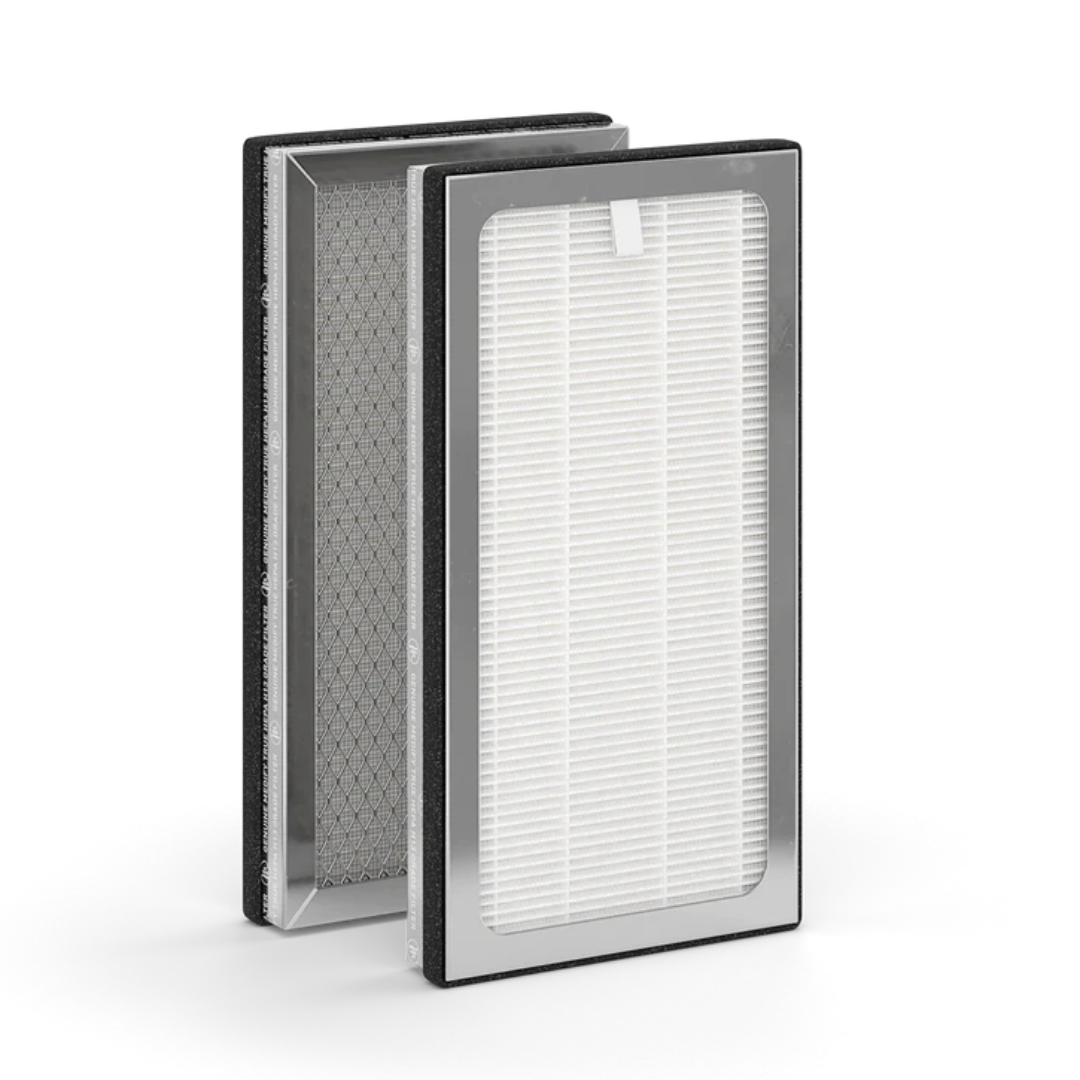
Air purifiers are designed to remove airborne particles from the room, including:
-
Dust
-
Pollen
-
Pet dander
-
Smoke particles
-
Fine pollutants
For people whose snoring is linked to allergies or congestion, cleaner indoor air may help reduce irritation in the airways.
While air purifiers are not a medical treatment for snoring or sleep apnoea, many users report improved sleep quality after improving bedroom air quality.
Bedrooms Often Contain Hidden Allergens
Even clean bedrooms can collect:
-
Dust mites
-
Fabric fibres
-
Pet hair
-
Pollen carried indoors
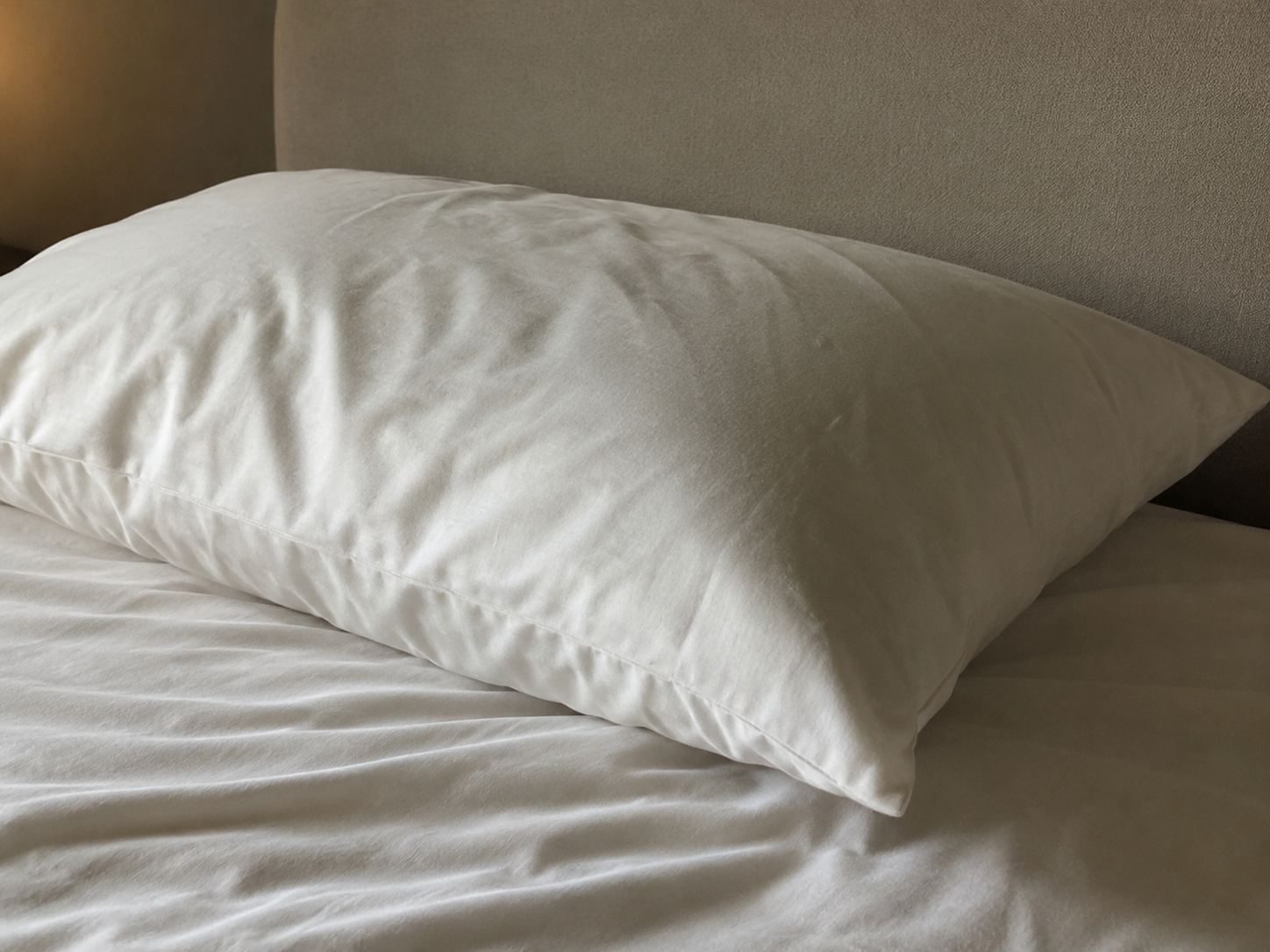
Because we spend many hours sleeping in enclosed spaces, air quality in the bedroom can have a noticeable effect on nighttime comfort.
Using an air purifier in the bedroom may help reduce the concentration of airborne irritants while you sleep.
Choosing the Right Air Purifier for Bedrooms
If you’re using an air purifier for nighttime comfort, look for features such as:
-
HEPA filtration
-
Quiet sleep mode
-
Low energy consumption
-
Suitable room coverage
-
Night mode or dimmable lights
Noise levels are especially important for bedroom use.
Other Ways to Reduce Snoring
Alongside improving air quality, you can also:
-
Wash bedding regularly
-
Vacuum carpets frequently
-
Reduce bedroom dust
-
Keep pets off the bed
-
Maintain healthy humidity levels
Combining these habits with cleaner indoor air may help improve overall sleep quality.
Final Thoughts
Air purifiers won’t cure snoring, but they may help reduce airborne irritants that contribute to congestion and disrupted breathing during sleep.
For allergy sufferers or people sensitive to dust and pollutants, improving bedroom air quality can make a noticeable difference in nighttime comfort.