
There's nothing quite like the feeling of completing a home renovation. Fresh paint, new flooring, modern furniture and updated décor can completely transform a living space.
However, while your home may look cleaner and fresher than ever, the air inside may tell a different story.
Many renovation materials release airborne pollutants that can linger long after the builders have left. These pollutants are often invisible, odourless and easy to overlook, yet they can significantly affect indoor air quality.
Why Renovations Affect Indoor Air Quality
Most construction and decorating materials contain chemicals that slowly evaporate into the air. This process is known as "off-gassing."
Off-gassing releases compounds known as Volatile Organic Compounds (VOCs), which can contribute to indoor air pollution and may cause symptoms such as:
-
Headaches
-
Eye irritation
-
Dizziness
-
Respiratory discomfort
-
Allergic reactions
Newly renovated homes often contain a combination of pollutants from multiple sources, creating a higher concentration of airborne contaminants than many homeowners realise.
Fresh Paint and Varnishes
One of the most common sources of indoor air pollution after renovation is paint.
Even low-VOC paints can release chemicals into the air during the drying and curing process.
Common emissions include:
-
Formaldehyde
-
Benzene
-
Toluene
-
Xylene
The strongest emissions typically occur during the first few days but can continue for weeks.
New Flooring Materials
Flooring can be another significant contributor to poor indoor air quality.
Materials that may release VOCs include:
-
Laminate flooring
-
Vinyl flooring
-
Engineered wood
-
Carpets
-
Carpet adhesives
Underlay materials and installation adhesives can further increase airborne chemical levels.
New Furniture and Cabinetry
Many homeowners furnish newly renovated rooms immediately after completion.
Unfortunately, new furniture can introduce additional pollutants.
Particleboard, MDF and plywood products often contain adhesives that release formaldehyde and other VOCs over time.
Common sources include:
-
Wardrobes
-
Kitchen cabinets
-
Bookcases
-
Desks
-
Flat-pack furniture
Sealants and Adhesives
Silicone sealants, construction adhesives and caulking products are often used extensively during renovation projects.
These materials can continue releasing chemicals for days or even weeks after application.
Bathrooms and kitchens are particularly susceptible due to the high concentration of sealants used.
Dust From Construction Work
Renovation dust is more than just a cleaning nuisance.
Fine particles can remain suspended in the air long after visible dust has been removed.
These particles may contain:
-
Plaster dust
-
Wood dust
-
Cement particles
-
Silica
-
Paint residue
Without effective filtration, these microscopic particles can continue circulating throughout the home.
How to Improve Air Quality After Renovation
Ventilate Thoroughly
Open windows whenever possible during and after renovation work. Cross-ventilation helps remove airborne contaminants and speeds up the off-gassing process.
Choose Low-VOC Products
Many modern paints, adhesives and flooring products are available in low-VOC formulations. While not completely emission-free, they can significantly reduce indoor pollution levels.
Clean Dust Properly
Vacuum using a HEPA-filter vacuum cleaner and wipe surfaces with damp cloths to prevent particles from becoming airborne again.
Use an Air Purifier
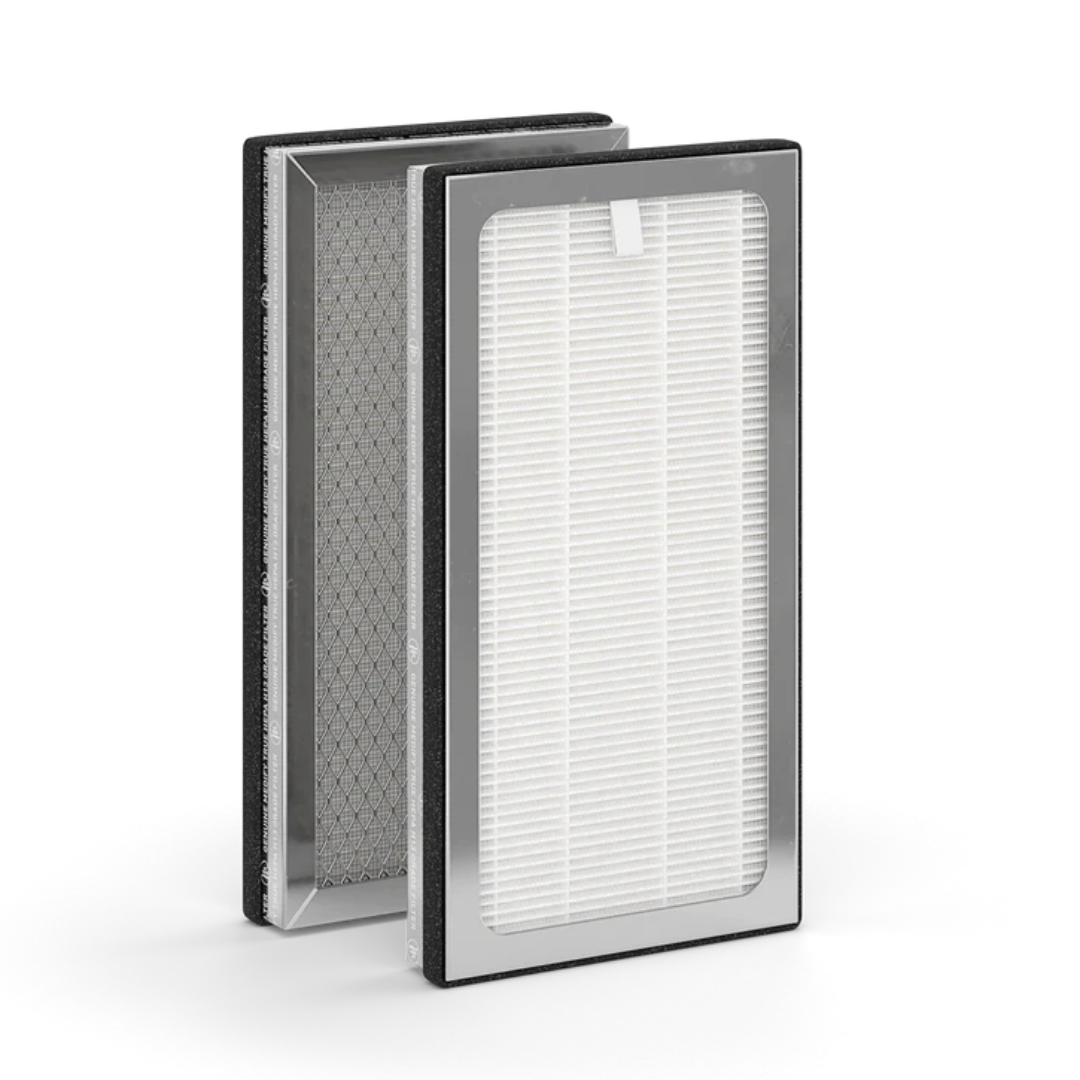
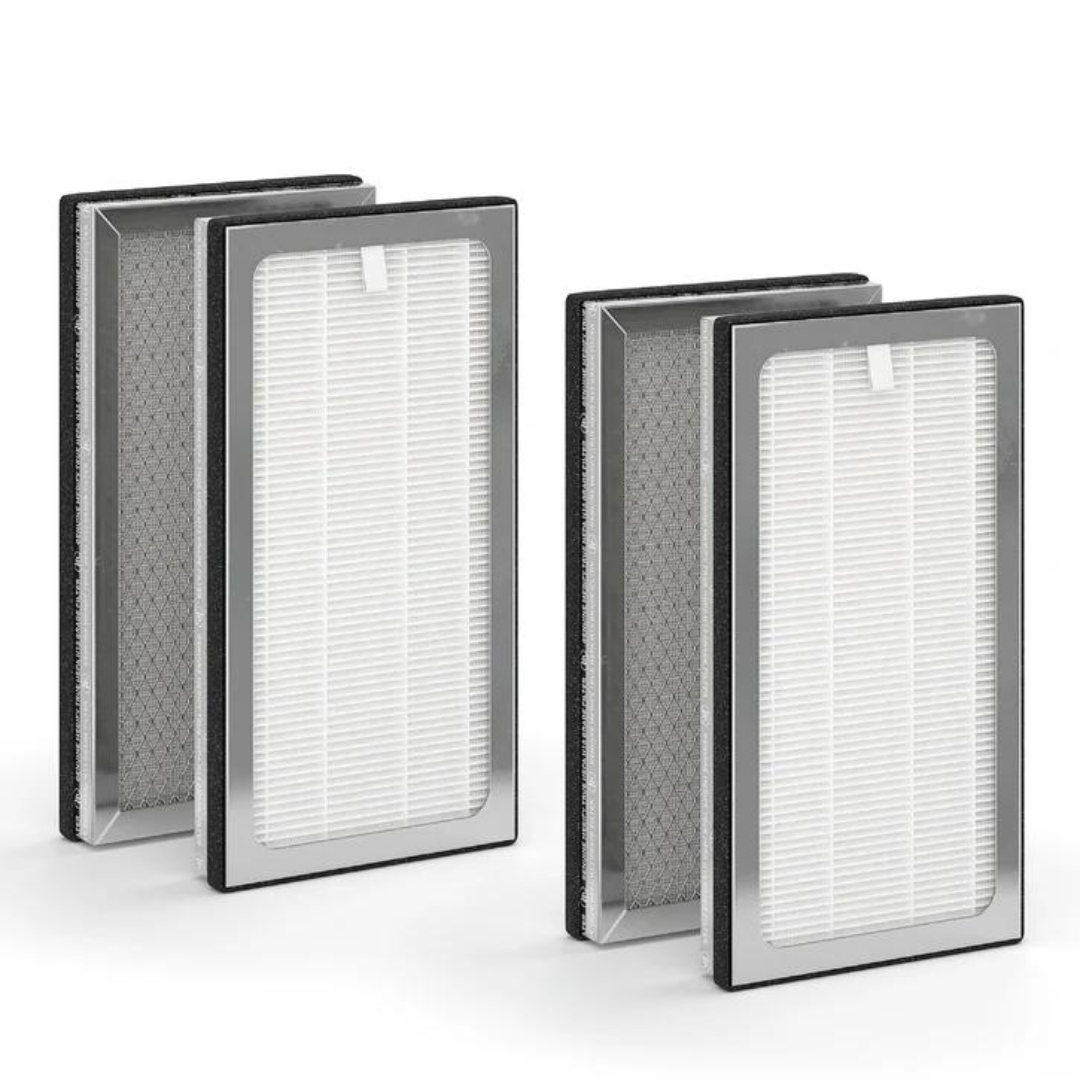
A quality air purifier can help remove both airborne particles and chemical pollutants.
Look for models that combine:
-
True HEPA filtration
-
Activated carbon filtration
-
High room coverage
HEPA filters capture fine renovation dust, while activated carbon helps absorb odours and VOCs released by new materials.
Final Thoughts
A newly renovated home may appear clean and healthy, but indoor air quality often takes time to recover after construction work.
Understanding the hidden sources of pollution can help homeowners take proactive steps to reduce exposure and create a healthier indoor environment for the whole family.