Indoor air quality is something most people don’t think about but in the UK, indoor air can often be more polluted than outdoor air.
From dust and pollen to hidden mould and chemicals, these pollutants can affect your health, sleep, and overall comfort.
In this guide, we’ll break down the most common air pollutants in UK homes and, more importantly, how to remove them effectively.
Why Indoor Air Quality Matters
The average person spends over 80–90% of their time indoors, especially in the UK where colder months keep homes sealed.
Poor air quality can lead to:
-
Allergies and hay fever symptoms
-
Asthma flare-ups
-
Headaches and fatigue
-
Poor sleep quality
The good news: most indoor pollutants can be reduced with the right approach.
1. Dust & Dust Mites
What it is:
Dust is a mix of tiny particles including:
-
Dead skin cells
-
Fabric fibres
-
Dirt and debris
Dust mites thrive in this environment and are a major allergy trigger.
Common signs:
-
Sneezing indoors
-
Itchy eyes
-
Dust buildup on surfaces
How to remove it:
-
Vacuum regularly (with HEPA vacuum if possible)
-
Wash bedding weekly at high temperatures
-
Use an air purifier with a HEPA filter
2. Pollen (Seasonal but Powerful)
What it is:
Pollen enters your home through:
-
Open windows
-
Clothes and pets
It’s one of the biggest causes of hay fever in the UK, especially from spring to summer.
Common signs:
-
Sneezing, congestion
-
Worse symptoms indoors during pollen season
How to remove it:
-
Keep windows closed during peak pollen times
-
Shower after being outdoors
-
Run an air purifier continuously
3. Pet Dander
What it is:
Tiny flakes of skin shed by animals, much smaller than pet hair and easily airborne.
Common signs:
-
Allergic reactions around pets
-
Persistent dust-like particles
How to remove it:
-
Groom pets regularly
-
Clean fabrics and upholstery
-
Use a HEPA + carbon air purifier
4. Mould Spores
What it is:
Airborne spores released from mould growth, often caused by damp conditions.
Common signs:
-
Musty smell
-
Visible mould patches
-
Respiratory irritation
How to remove it:
-
Fix moisture issues (ventilation or dehumidifier)
-
Clean affected areas
-
Use an air purifier to capture airborne spores
5. Smoke & Indoor Pollution
What it is:
-
Cooking fumes
-
Candles and fireplaces
-
Tobacco smoke
These release fine particles (PM2.5) that linger in the air.
Common signs:
-
Lingering smells
-
Stuffy or hazy air
How to remove it:
-
Ventilate during cooking
-
Avoid indoor smoking
-
Use an air purifier with activated carbon filter
6. Volatile Organic Compounds (VOCs)
What it is:
Chemicals released from:
-
Cleaning products
-
Paints and furniture
-
Air fresheners
Common signs:
-
Headaches
-
Dizziness
-
Chemical smells
How to remove it:
-
Choose low-VOC products
-
Increase ventilation
-
Use a purifier with a carbon filter
7. Bacteria & Airborne Particles
What it is:
Microscopic particles that circulate indoors, especially in poorly ventilated spaces.
How to reduce it:
-
Improve airflow
-
Clean regularly
-
Use a high-efficiency air purifier
The Most Effective Way to Clean Indoor Air
While cleaning and ventilation help, they don’t remove everything.
The most effective approach is:
Combine:
-
Regular cleaning
-
Proper ventilation
-
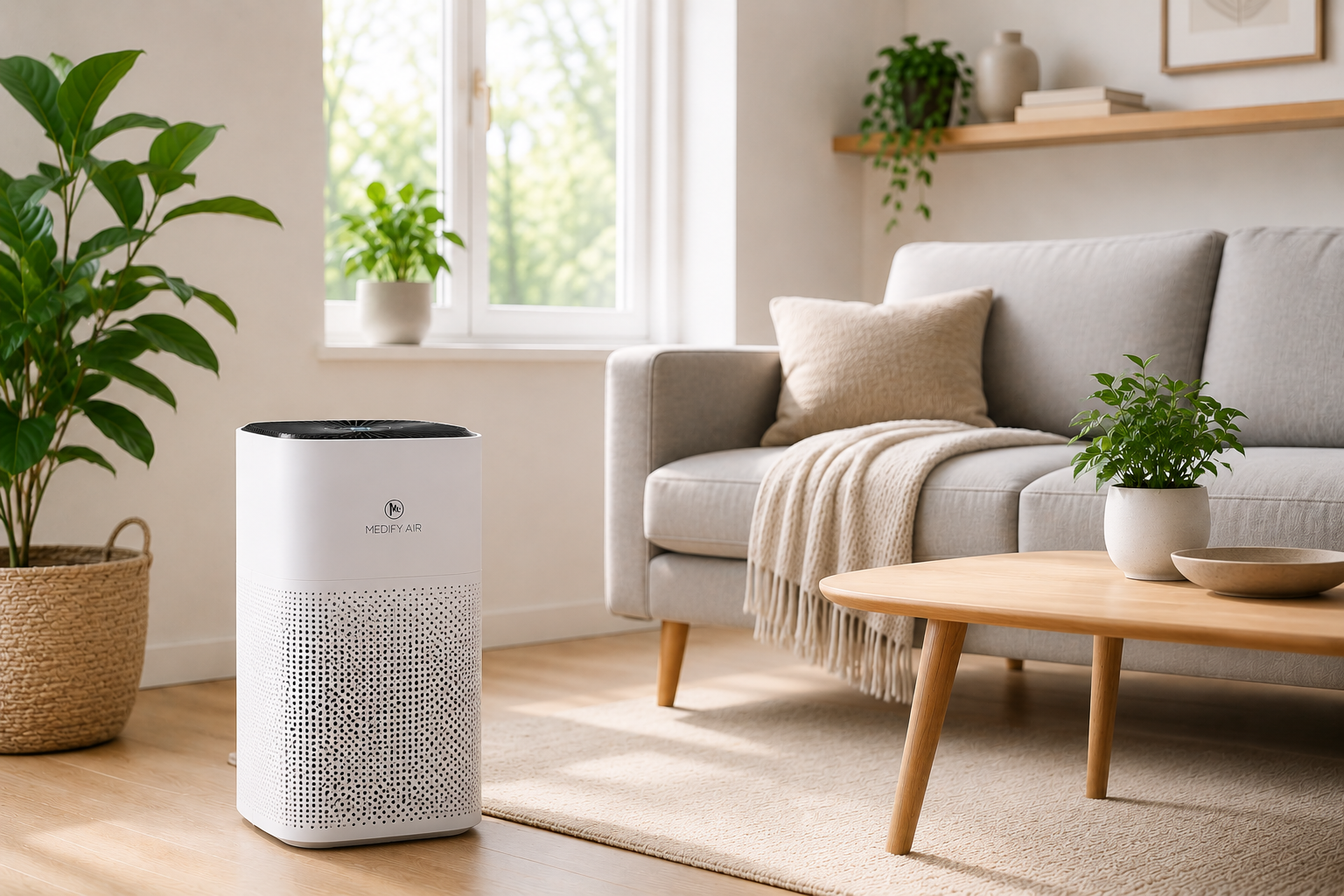
A high-quality air purifier
Why Air Purifiers Are Essential in UK Homes
Due to:
-
Sealed homes in winter
-
High pollen levels in summer
-
Urban pollution
Air purifiers provide continuous air cleaning, something manual cleaning can’t do.
How to Choose the Right Air Purifier
Look for:
-
True HEPA filter (essential)
-
Activated carbon filter
-
Correct room size coverage
-
Quiet operation for bedrooms
Common Mistakes to Avoid
-
Ignoring indoor air quality
-
Buying undersized units
-
Not replacing filters
-
Relying on ventilation alone
Final Verdict: How to Remove Air Pollutants in Your Home
Indoor air pollution is more common than most people realise but it’s also highly manageable.
To improve your air quality:
-
Identify the main pollutants affecting your home
-
Take targeted action (cleaning, ventilation, humidity control)
-
Use an air purifier for continuous protection
Small changes can make a big difference in how you feel every day.
Improve Your Indoor Air Today
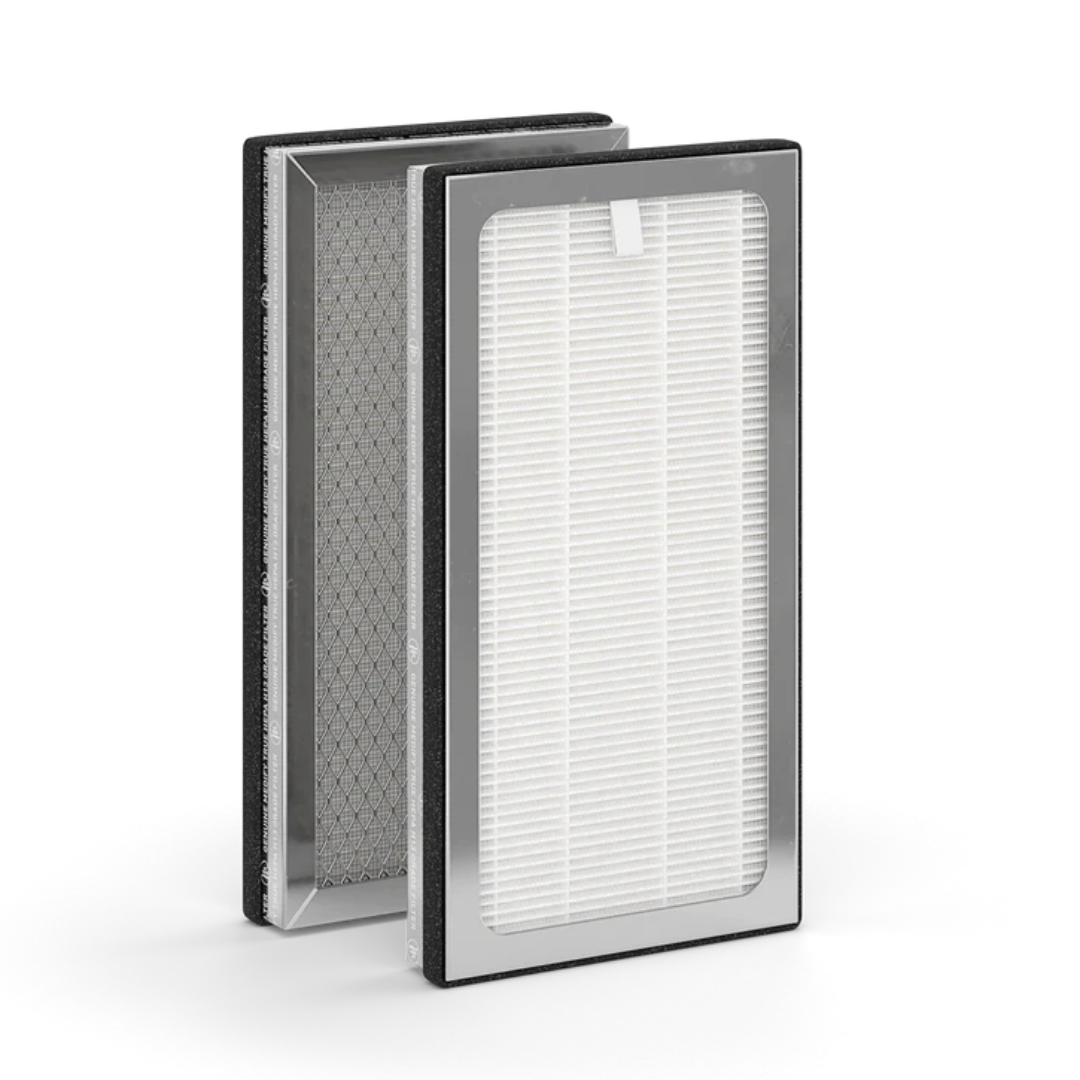
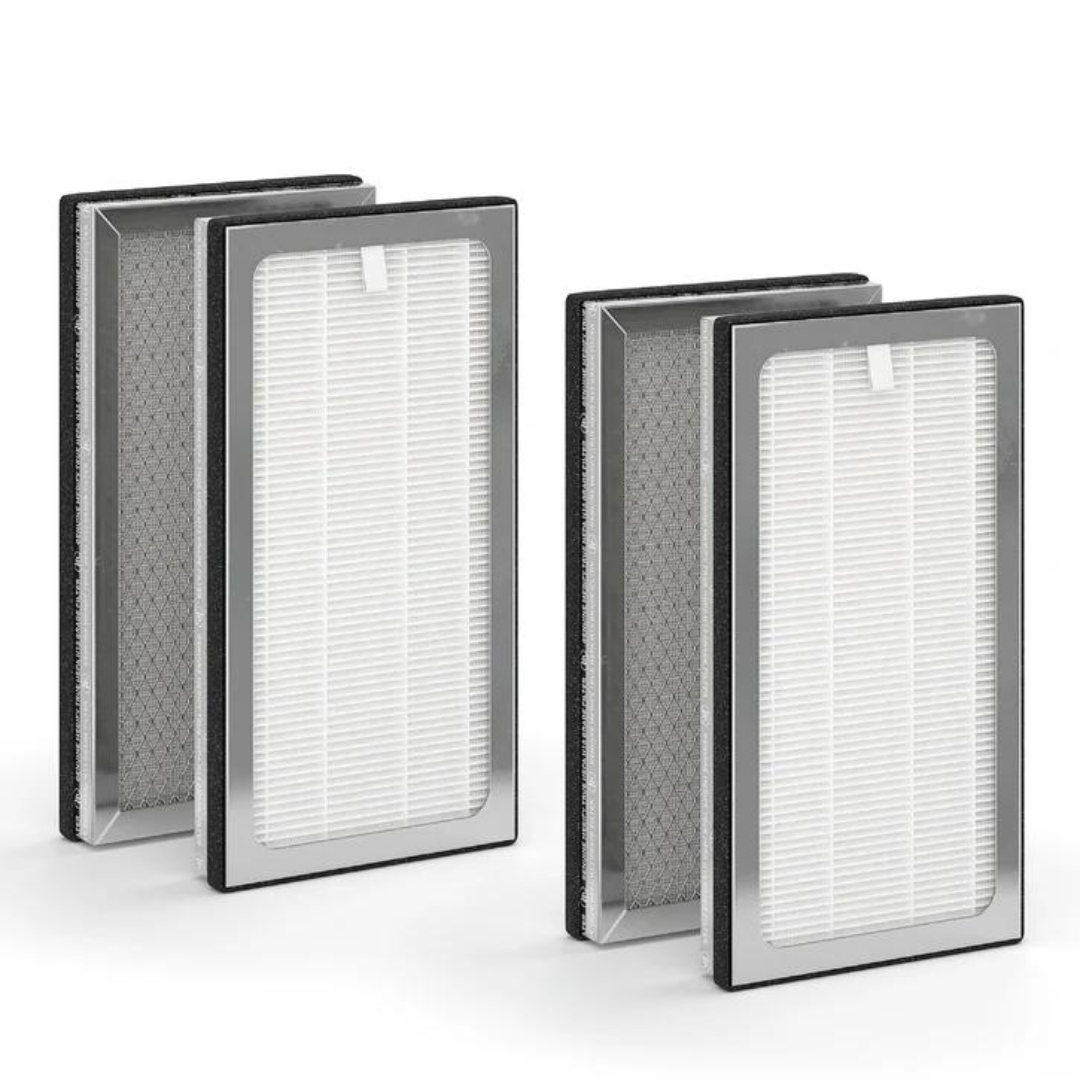
Explore our range of air purifier replacement filters designed to remove dust, pollen, pet dander, and more.