
When most people think about summer heatwaves, they think about staying cool, sleeping comfortably, and keeping hydrated. But one thing many homeowners overlook is how hot weather can seriously impact indoor air quality.
During a heatwave, pollutants, allergens, dust, and even odours can become trapped inside your home. Opening windows may bring in pollen and outdoor pollution, while keeping them shut can cause stale air to build up quickly.
Here’s how to improve your indoor air quality during periods of extreme heat.
Why Air Quality Gets Worse During Heatwaves
Hot weather creates the perfect conditions for indoor pollutants to accumulate. Homes become warmer, ventilation decreases, and airborne particles can linger for longer periods.
Common summer air quality problems include:
-
Increased pollen levels
-
Dust build-up
-
Poor ventilation
-
Higher humidity
-
Pet odours
-
Outdoor pollution entering the home
-
Smoke from BBQs or wildfires
For allergy sufferers, asthma patients, or households with pets, this can quickly make the home feel uncomfortable.
Keep Windows Closed During Peak Heat
While opening windows may seem like the best way to cool your home, it can often make air quality worse during the hottest part of the day.
Pollen counts and outdoor pollution levels are usually highest in the afternoon. Keeping windows closed during peak heat can help reduce the number of airborne irritants entering your home.
Instead, try ventilating your home early in the morning or later in the evening when temperatures are lower.
Use an Air Purifier Continuously
An air purifier can help remove airborne particles that become more noticeable during hot weather.
HEPA filtration is particularly effective at capturing:
-
Pollen
-
Dust
-
Pet dander
-
Smoke particles
-
Fine pollutants (PM2.5)
Running your air purifier continuously during a heatwave can help maintain cleaner indoor air and create a more comfortable sleeping environment.
Don’t Ignore Humidity
Heatwaves can also increase indoor humidity levels, especially in kitchens, bathrooms, and poorly ventilated rooms.
Excess humidity can contribute to:
-
Musty smells
-
Dampness
-
Mould growth
-
Poor sleep quality
Using a dehumidifier alongside an air purifier can help maintain a healthier indoor environment.
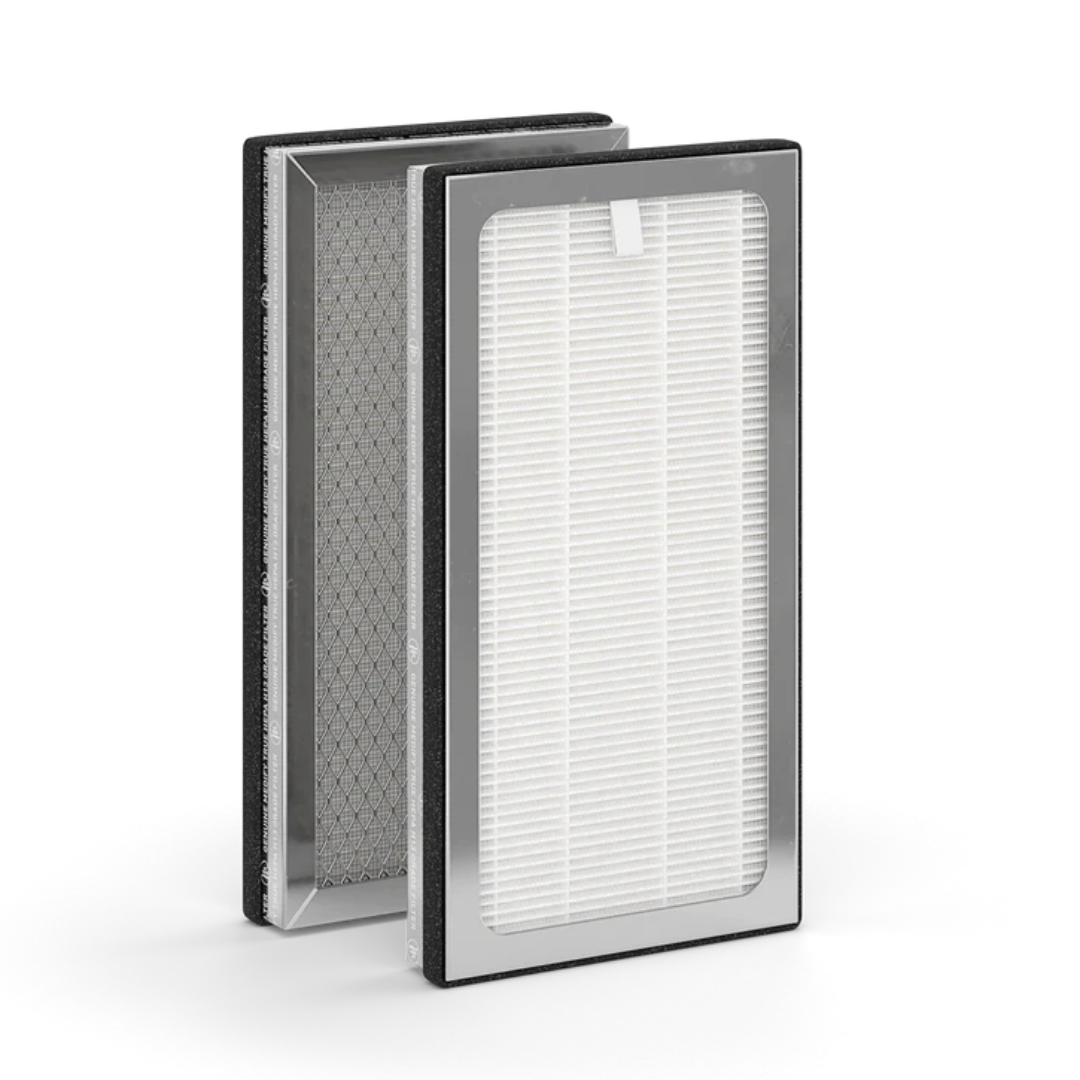
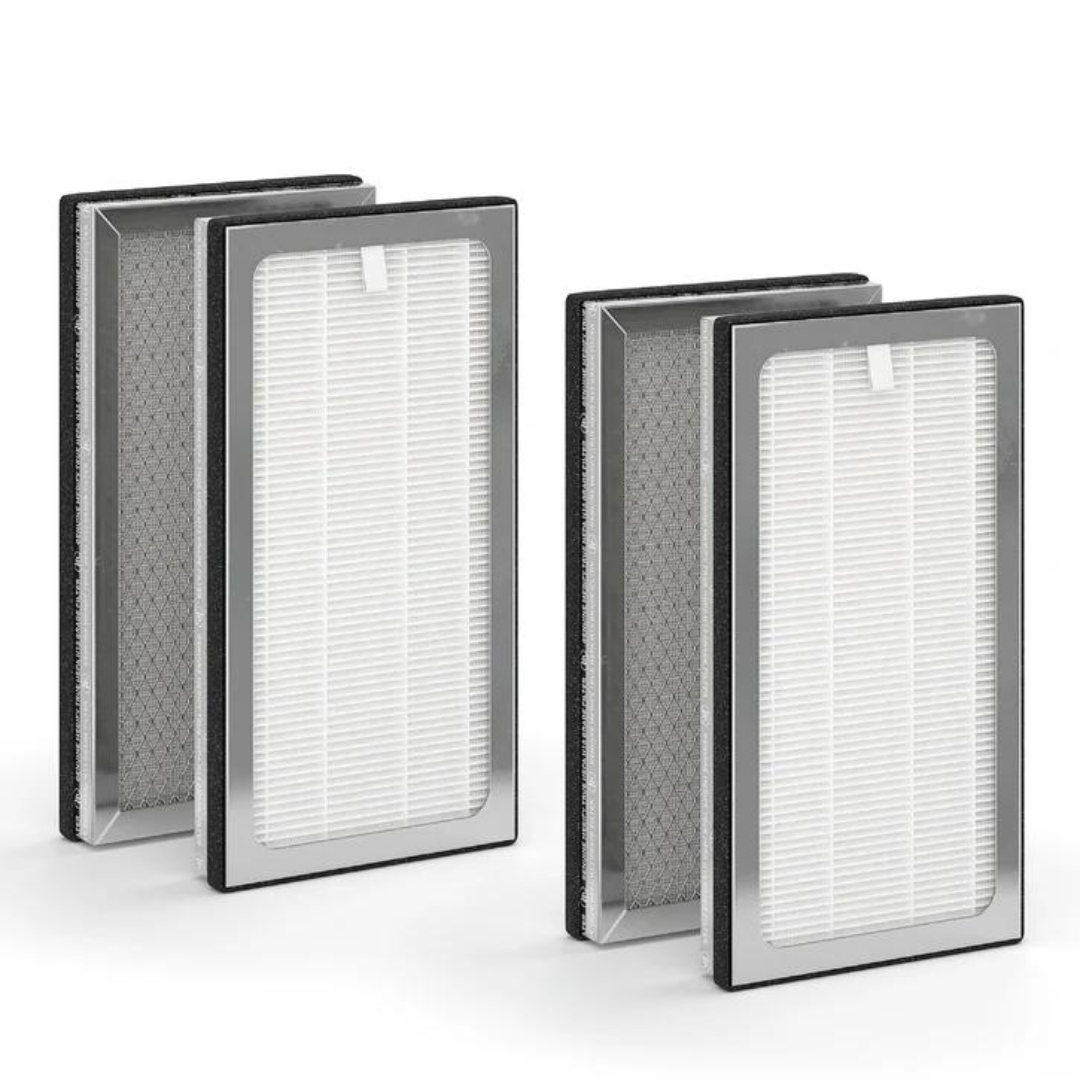
Change Filters Regularly
Air purifier filters work harder during summer months due to increased airborne particles. Dirty filters reduce efficiency and can impact airflow.
Check your manufacturer’s guidance and replace filters as recommended to keep your purifier performing at its best.
Final Thoughts
Summer heatwaves don’t just affect outdoor comfort, they can also have a major impact on the air inside your home.
By improving ventilation, reducing humidity, and using a high-quality air purifier, you can create a cleaner, fresher, and healthier indoor environment all summer long.