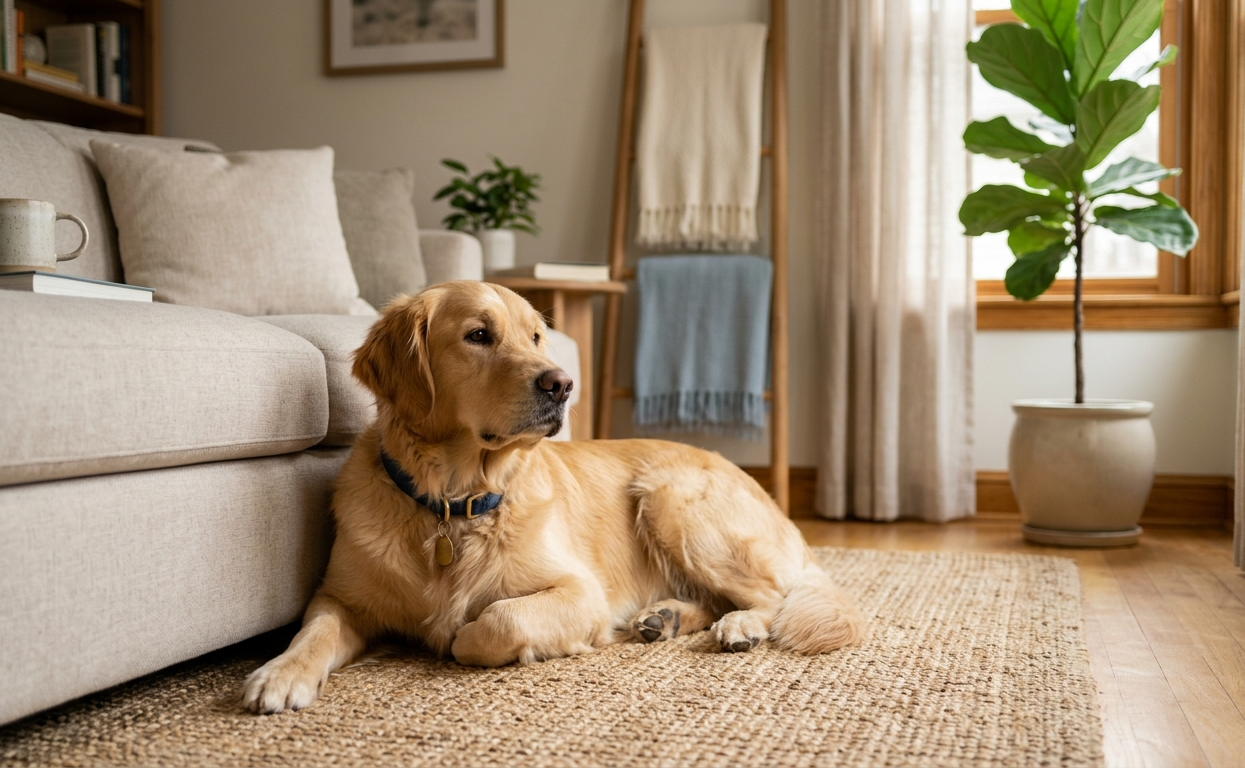
Pets are part of the family, but even the cleanest and best-groomed animals contribute to indoor air pollution. Hair, dander, saliva proteins, outdoor pollutants and odours can all impact air quality and trigger allergies or respiratory symptoms.
Fortunately, a few simple habits can make a significant difference.
1. Groom Pets Regularly
Regular grooming helps reduce the amount of loose hair and dander released into your home.
For best results:
-
Brush pets frequently
-
Bathe when appropriate
-
Keep coats clean and healthy
This simple step can dramatically reduce airborne allergens.
2. Vacuum Frequently
Pet hair quickly accumulates in carpets, rugs and upholstery.
Use a vacuum cleaner fitted with a HEPA filter to prevent fine particles from being released back into the air. High-traffic areas should ideally be vacuumed several times per week.
3. Wash Pet Bedding Often
Pet beds collect:
-
Hair
-
Dander
-
Dust
-
Outdoor debris
Wash bedding regularly according to manufacturer recommendations.
4. Clean Soft Furnishings
Curtains, sofas and cushions act as reservoirs for pet allergens. Regular cleaning helps minimise build-up.
5. Control Pet Odours at the Source
Litter trays, cages and feeding areas can contribute significantly to indoor odours. Keep these areas clean and well-maintained.
6. Improve Ventilation
Fresh air helps dilute indoor pollutants.
Whenever weather permits:
-
Open windows
-
Use extractor fans
-
Encourage airflow throughout the home
7. Use an Air Purifier in Key Rooms
Air purifiers can be particularly effective in homes with pets.
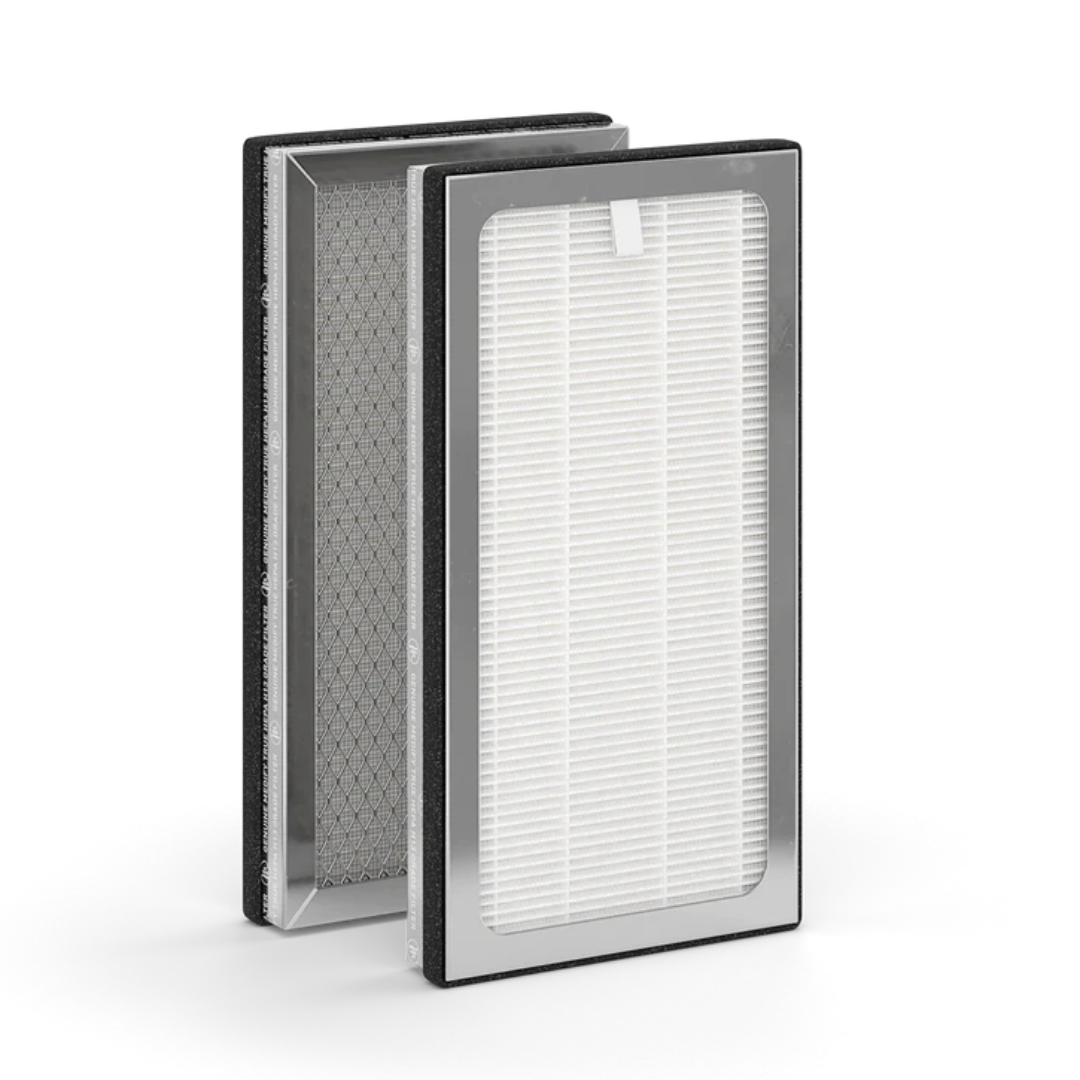
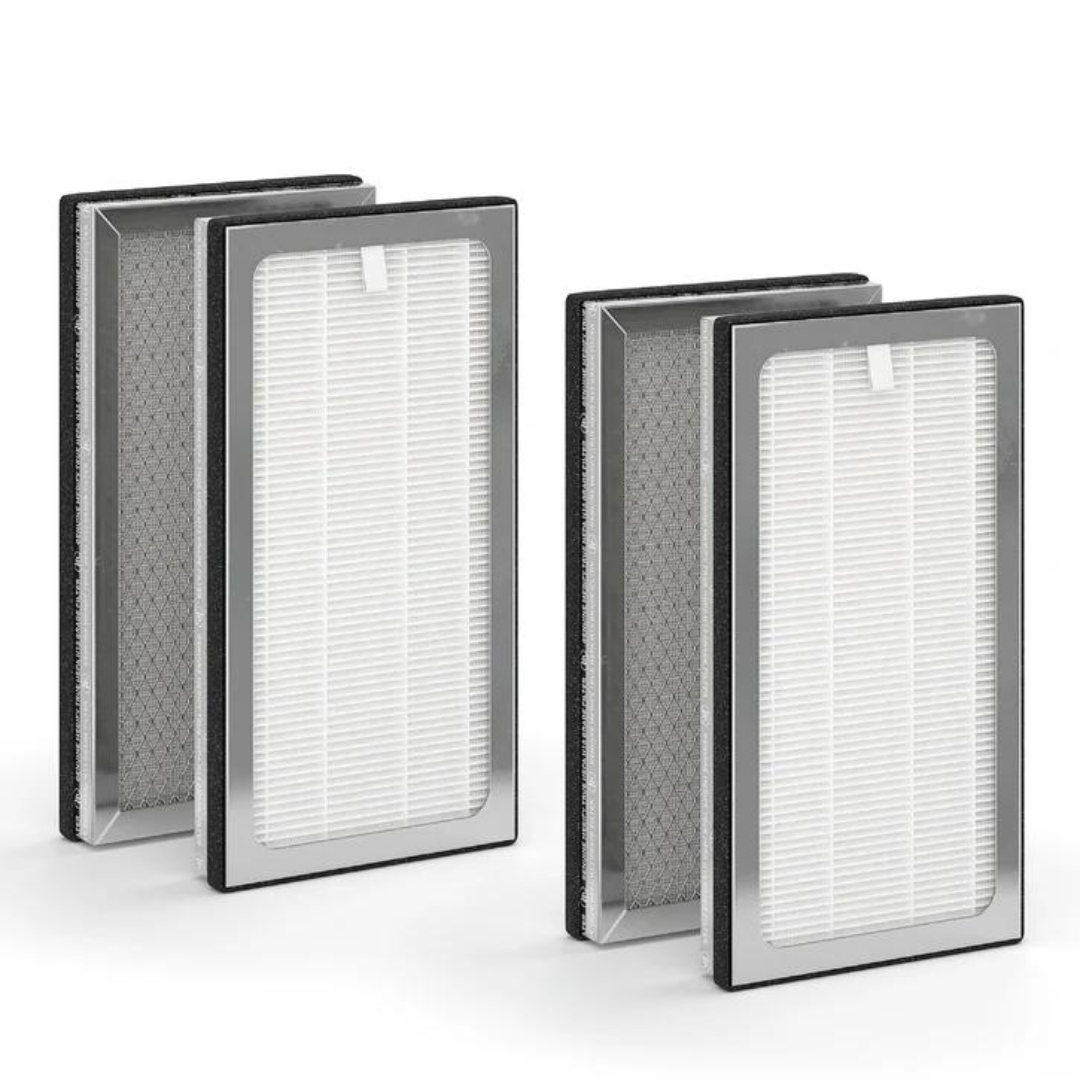
Models featuring HEPA filters can capture:
-
Pet dander
-
Hair fragments
-
Dust
-
Pollen
Activated carbon filters can help reduce pet-related odours. Bedrooms and living rooms are often the best places to start.
8. Keep Pets Off Beds if Allergies Are a Concern
Pet dander easily accumulates in bedding. Reducing exposure during sleep can provide relief for allergy sufferers.
9. Replace Filters on Schedule
An air purifier is only as effective as its filters. Always follow the manufacturer's replacement recommendations.
10. Monitor Indoor Air Quality
Air quality monitors can help identify periods when particle levels are elevated and help guide cleaning routines.
Final Thoughts
Pet ownership and good indoor air quality can absolutely coexist. By combining regular cleaning, good ventilation and effective air purification, pet owners can enjoy cleaner air while keeping their furry companions happy and healthy.